The Homeowner’s Guide to Roof Flashing Repair and Prevention
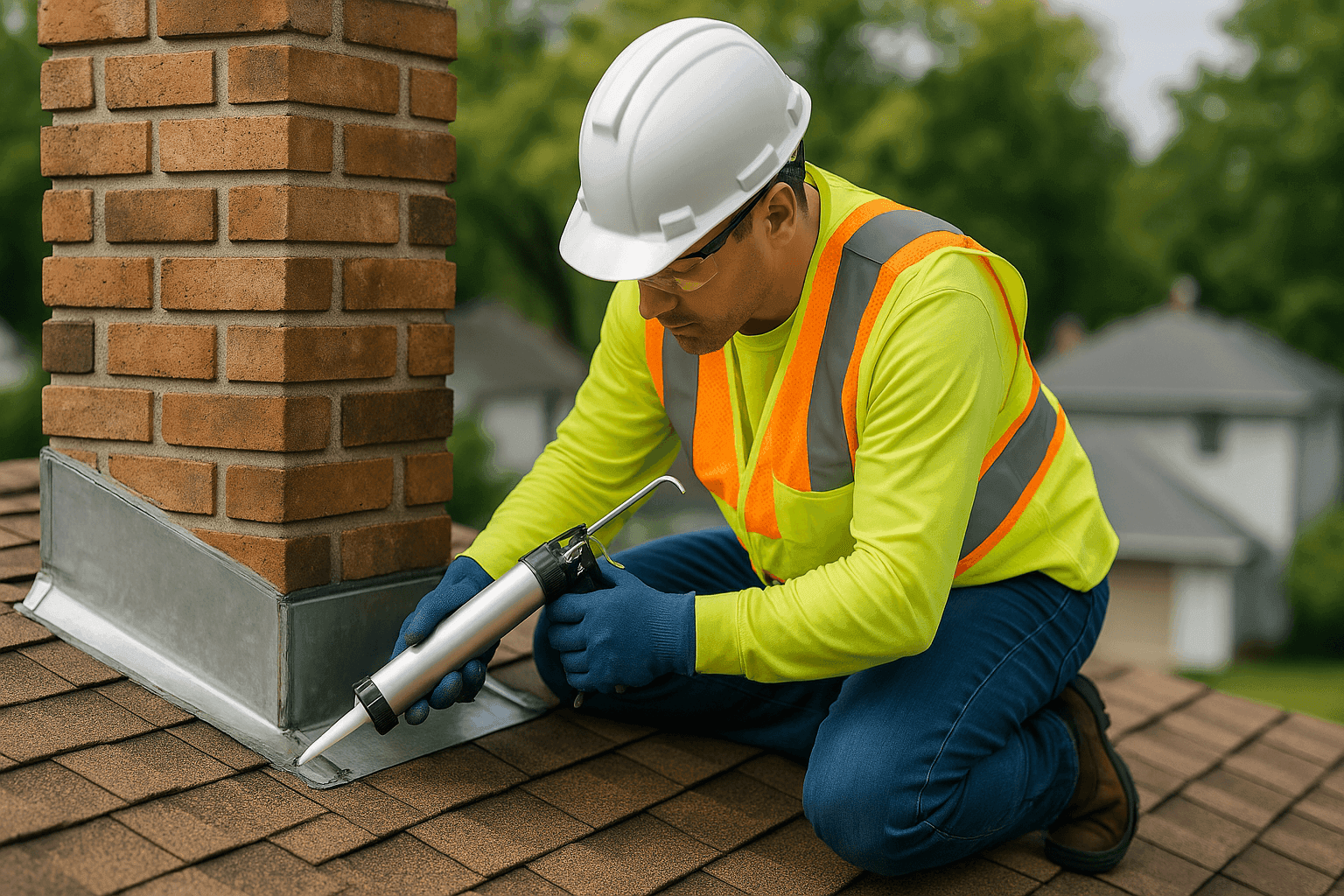
Is your ceiling stained with mysterious brown spots? Have you noticed water dripping inside after a big storm? If so, you’re not alone—and you’re right to be concerned. Flashing is a small detail with a big job: keeping water out where your roof meets other surfaces. When it fails, the damage adds up fast.
At Robert Nelson Roofing, we know the chaos a flashing leak brings. Soggy insulation, warped wood, even mold. Our emergency roofing teams have seen it all, and we’re here to help you spot trouble early—before it becomes a disaster.
What Is Roof Flashing? 🛡️
Think of roof flashing as armor for your home’s most vulnerable edges. It’s the thin metal or flexible material you’ll find around chimneys, skylights, vents, and where different roof slopes meet. Its job? Direct water away from seams and joints—places rain loves to sneak through.
Common flashing materials:
- Galvanized steel (tough, but can rust)
- Aluminum (lightweight, resists corrosion)
- Copper (long-lasting, weathers to a green patina)
- Rubber or flexible membranes (for tricky shapes)
If your home or business has a chimney, skylight, or roof valley, you’ve got flashing. And if you’re seeing leaks, that’s often where they start.
Common Problem Areas
Water finds the path of least resistance. These are the most frequent trouble spots:
- Chimneys: Flashing bridges the gap where bricks meet shingles. Mortar cracks or rusted metal spell trouble.
- Skylights: Improperly sealed frames invite leaks.
- Valleys: Where two roof slopes meet, water flow is concentrated.
- Vents and pipes: Every rooftop penetration needs a watertight collar.
- Roof edges and dormers: Wind-driven rain can work its way under loose flashing.
Freeze/thaw cycles are brutal on flashing. When water sneaks under, freezes, and expands, it pries up the metal. Combine that with heavy spring rains, and leaks can go from a drip to a deluge overnight.
Signs of Flashing Failure
Not sure if your flashing is the culprit? Look for these red flags:
- Water stains or bubbling paint on ceilings and walls
- Damp, musty smell in the attic
- Shingles curling near chimneys or skylights
- Visible gaps, cracks, or rust on flashing
- Loose or missing pieces of metal
- Moss or plant growth (trapped moisture)
If you spot any of these, don’t wait. Leaks never fix themselves, and even a tiny hole can lead to big repairs.
Flashing Repair Steps
Fixing flashing isn’t just about slapping on some caulk. Here’s how the process unfolds—whether you’re a DIYer or hiring emergency roofing help:
1. Inspection and Diagnosis
- Safely access the roof. (Always use fall protection and check weather first!)
- Identify all problem areas, not just the obvious leak.
- Check for underlying rot or shingle damage.
2. Removal
- Carefully lift shingles or tiles covering the flashing.
- Pry out old, damaged flashing. Remove rust, debris, and old sealant.
3. Surface Prep
- Clean the area thoroughly. Dry surfaces ensure new flashing and sealants adhere.
- Repair any wood rot or structural issues beneath.
4. Install New Flashing
- Cut flashing to size—no shortcuts.
- Slide flashing under shingles, extending up walls or chimneys as building codes require (see International Residential Code Section R903.2.1).
- Nail only where protected by overlapping shingles.
5. Seal and Secure
- Apply high-grade roofing sealant to all seams and edges.
- Press shingles or tiles back into place.
- Double-check for gaps or missed areas.
While some handy homeowners tackle minor repairs, many flashing fixes require pro-level skill—especially on steep or high roofs.
Preventing Flashing Leaks
Don’t wait for a rainy day surprise. Use these practical steps to keep your flashing solid year-round:
- Inspect twice a year: After winter and after heavy storms.
- Keep gutters clear: Clogged gutters force water under flashing.
- Trim overhanging branches: Falling limbs can loosen metal.
- Repair caulk and sealants: Sun and ice wear them out fast.
- Ensure proper attic ventilation: Reduces ice dams that force water under flashing.
For businesses and busy homeowners, scheduling regular roof inspections is like changing the oil in your car. It’s preventive care that pays off.
Quick Safety Checklist
- Never climb on a wet or icy roof.
- Wear slip-resistant shoes and a harness.
- Use a sturdy ladder, secured on level ground.
- Never work alone on steep roofs or near skylights.
- Know your limits—if in doubt, call for professional emergency roofing help.
DIY vs. Call a Pro
Some flashing repairs are straightforward—think resealing a small gap. Others, like replacing metal around a chimney, require experience and specialized tools.
DIY may be enough if:
- The damage is minor and easy to access.
- You have the right safety gear.
- You’re comfortable working at heights.
Call Robert Nelson Roofing if:
- The leak is severe or recurring.
- There’s structural damage or rot.
- The roof is steep, high, or complex.
- You need emergency roofing services—especially after storms.
What Pros Do On Arrival
When our team arrives, here’s what you can expect:
- Thorough inspection—inside and out.
- Clear explanation of the problem and options.
- Photos of before, during, and after repairs.
- Use of code-compliant materials and techniques.
- Clean-up and safe disposal of old flashing and debris.
We treat your property with care, and our work is designed to last—even through wild weather.
Prevention & Maintenance
Want to make flashing problems rare? Here’s how:
- Schedule annual roof inspections, especially before rainy seasons.
- Address missing or loose shingles right away.
- Replace sealants every few years, or if they crack or peel.
- Make sure gutters and downspouts are free-flowing.
A little attention now keeps water on the outside—where it belongs.
Costs & Time Factors
No one likes surprises, especially when it comes to repairs. Here’s what affects the scope of a flashing repair:
- Material type: Copper lasts longer, but costs more.
- Location: Chimney flashing is trickier than a pipe boot.
- Extent of damage: Minor reseal vs. full replacement.
- Accessibility: Steep or tall roofs take more time.
Most repairs take a few hours to a day. Severe damage or structural repairs need longer. Emergency roofing teams can often patch leaks fast, then return for a permanent fix.
When It’s an Emergency
Some flashing issues can wait a day or two. Others can’t. Here’s how to tell:
- Water pouring in or soaking ceilings after rain
- Sagging drywall or electrical hazards
- Roof damage after a windstorm or hail
In these cases, don’t delay. Call for emergency roofing help. Quick action means less damage—and avoids bigger headaches like mold.
FAQ
How long does roof flashing last?
With quality materials and proper installation, flashing often lasts 15–30 years. But our freeze/thaw cycles and heavy rain can shorten that lifespan.
Can you just reseal flashing instead of replacing it?
Sometimes. If the metal is solid and the leak is at a seam, new sealant may do the trick. But rusted, bent, or missing flashing needs full replacement.
Is flashing repair covered by insurance?
If the leak is caused by sudden storm damage, many policies help. Routine wear and tear, though, is usually up to the property owner.
Should I be worried about mold from a flashing leak?
Yes. Even slow drips can soak insulation and drywall, creating a haven for mold. Address leaks as soon as you spot them.
Local/Seasonal Considerations
Our region’s wild weather keeps us on our toes. Big temperature swings mean flashing expands and contracts, working itself loose over time. Heavy spring and summer storms test every seam, while autumn leaves clog gutters and force water under shingles.
If your building has seen a harsh winter—or you’ve just weathered a major storm—inspect your flashing. Emergency roofing teams are busiest after freeze/thaw cycles and heavy downpours for a reason.
Don’t let a simple flashing leak turn into a major headache. Protect your home or business with fast, professional repairs and preventive care.
Call Robert Nelson Roofing now — or reach us anytime at 888-897-9811 .