Roof Replacement Cost Breakdown: What Homeowners and Businesses Need to Know
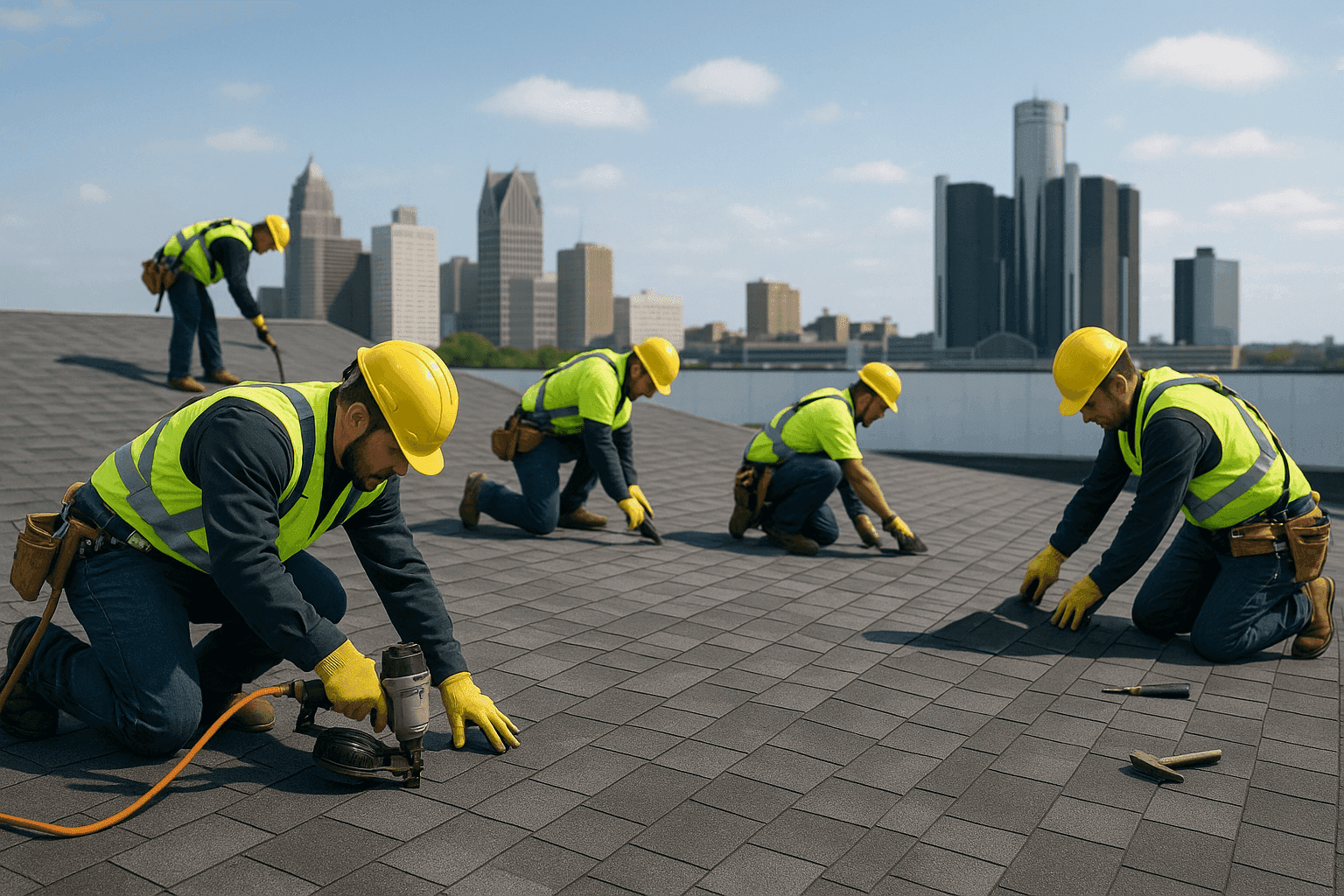
When facing roof replacement, the price tag can feel like a thunderstorm on the horizon. Anxiety, confusion, and urgency—these feelings are all too common for homeowners and business owners alike. Roof work is a big deal. It’s more than shingles or metal panels. It’s about protecting your investment, your family, or your business.
At Robert Nelson Roofing, we believe in pulling back the curtain on costs. No smoke, no mirrors—just a clear look at what truly goes into your roof replacement, whether it’s an emergency roofing job or proactive care.
Major Factors Affecting Roof Cost 🏗️
Let’s break it down. Three main ingredients drive the final cost of a new roof:
1. Materials
Think of roofing materials like the menu at a restaurant—choices abound, and each comes with its own price. Here’s what to consider:
- Shingles: Budget-friendly, widely used, and come in a variety of styles.
- Metal: Durable, energy-efficient, and can last decades with proper care.
- Tile: Elegant, heavy, and built for longevity in certain climates.
- Flat Roofing Systems: Common for commercial buildings, with options like modified bitumen or TPO.
Material prices can swing wildly depending on brand, thickness, and warranty. Your climate, desired curb appeal, and local building codes also play a part.
2. Labor
Labor is the engine that drives your project. Every roof is unique, like a puzzle with its own set of challenges:
- Steep slopes or complicated angles add time and risk.
- Tear-off required? Removing old layers means more hours and more hands.
- Accessibility: A roof three stories up, or with limited driveway space, takes more effort.
Professional, insured labor teams (like ours) follow Occupational Safety and Health Administration (OSHA) standards—meaning safer, more reliable results.
3. Roof Type and Complexity
A flat, simple roof is like a straight country road. Fast, predictable, and easy. A steep, multi-gabled roof with chimneys and skylights? That’s rush hour in a busy city—slower, more stops, and greater care needed. Commercial roofs can be sprawling and feature heavy-duty systems like built-up roofing or membrane layers.
Residential vs. Commercial Considerations
Not all roofs wear the same hat. Here’s how needs differ:
- Residential Roofing: Usually pitched, often shingle, sometimes metal or tile. Focus is on aesthetics, insulation, and protection.
- Commercial Roofing: Larger, often flat or low-slope, with specialized systems. Priorities include durability, water management, and compliance with fire ratings and local codes.
The size of the job, access requirements, and even local zoning can nudge costs up or down. Commercial projects may require more complex Ventilation & Insulation near you, as well as specialized drainage or downspout installation.
Material Comparisons: Shingles, Metal, Tile, Flat
Choosing the right material is like picking the best shoes for the road ahead.
Asphalt Shingles
- Pros: Affordable, easy to replace, wide color range.
- Cons: Lifespan is typically 15–30 years. Not ideal for extreme weather.
Metal Roofing
- Pros: Lasts 40+ years, lightweight, reflects heat. Great for energy savings.
- Cons: Higher upfront cost. Can be noisy during heavy rain.
Tile Roofing
- Pros: Classic look, fire-resistant, excellent in certain climates.
- Cons: Heavy—may require extra structural support. Higher cost.
Flat Roofing Systems
- Pros: Cost-effective for large surfaces, easy to access.
- Cons: Vulnerable to ponding water. More frequent inspections needed.
Each material brings its own installation techniques and requirements, affecting both the upfront cost and long-term value.
Understanding Estimates and Hidden Costs 🧐
Roof estimates are more than just a number on a piece of paper. Here’s what’s inside:
- Tear-off and Disposal: Hauling away old materials adds to labor and landfill fees.
- Decking Repairs: If your roof deck (the wood underneath) is rotted or damaged, repairs or replacement will increase costs.
- Insulation Upgrades: Essential for energy efficiency and code compliance.
- Flashing & Sealants: Areas around chimneys, skylights, and valleys need specialized attention to prevent leaks.
- Permits & Inspections: Required by local authorities, and sometimes a surprise for first-timers.
Pro tip: Always ask what’s included in your estimate. A reputable company will walk you through every line item. If something isn’t clear, don’t be shy—ask questions.
Refer to the National Roofing Contractors Association (NRCA) and your local building department for code requirements and safety guidelines.
How to Budget for Your Next Roof
A roof replacement is like planning a cross-country trip. You need a map, a budget, and room for the unexpected.
- Set Aside a Contingency: 10–20% for surprises like hidden water damage.
- Ask About Payment Options: Some companies offer phased payments or financing.
- Compare Apples to Apples: Make sure your estimates cover the same scope—materials, labor, permits, and removal.
Plan for seasonal price swings. Demand spikes during storm seasons can increase both cost and wait times. Scheduling in off-peak months may save you money and headaches.
Residential vs. Commercial: What Really Changes?
- Permitting and Codes: Commercial projects may have stricter requirements.
- Drainage Systems: Flat roofs often need advanced drainage, including downspout repair or installation.
- Access and Safety: Commercial sites might need extra scaffolding or safety barriers.
Both types require professional assessment to avoid costly mistakes.
Industry-Standard Pricing Models
You’ll often see estimates based on “per square” pricing (a roofing square is 100 square feet). But beware: low-ball offers may skip important details or safety measures.
- Labor rates depend on region, project complexity, and safety needs.
- Material markups are standard to cover sourcing, delivery, and handling.
- Disposal fees for old roofing and debris are a must.
Get everything in writing. If a line item is vague, ask for clarification.
What to Expect in a Quote (and What’s Worth Extra)
A quality quote will break down:
- Materials (type, brand, expected lifespan)
- Labor (number of workers, estimated hours)
- Tear-off/removal
- Decking or structural repairs, if needed
- Insulation/ventilation upgrades
- Flashing and sealant work
- Permit and inspection fees
Some extras are worth every penny—like ice-and-water shields in cold climates, or improved attic insulation for energy savings.
How to Avoid Common Budget Pitfalls 🏚️
- Don’t skip the inspection. A thorough look at your roof deck, insulation, and flashing can reveal hidden issues before work begins.
- Don’t chase the lowest bid. Cheap work can mean shortcuts or subpar materials.
- Don’t forget maintenance. Preventative Maintenance can add years to your new roof.
Seasonal Price Impacts
Roofing is weather-dependent. Cold, rain, or high winds can delay work and affect costs. Peak demand following storms or during certain seasons often leads to higher prices and longer waits.
Tip: Schedule your project as early as possible, especially if you suspect you’ll need emergency roofing or storm damage restoration during high-risk months.
Practical Tips for Homeowners and Businesses
- Document Everything: Photos, receipts, permits. Your insurance (and future self) will thank you.
- Ask for References: A reputable contractor should be able to provide them.
- Confirm Insurance and Licensing: Protect yourself against liability.
- Request a Timeline: Understand how long the job will take, and how weather or material delays might impact it.
FAQ
How long does a roof replacement usually take?
Most residential projects wrap up in 1–3 days, weather permitting. Large or complex commercial roofs can take a week or more.
What if my roof needs emergency repair before replacement?
Emergency roofing services can provide a temporary fix—like tarping or quick patching—until a full replacement is safe and feasible.
Are there eco-friendly roofing options?
Yes. Ask about recycled-content shingles, cool roof coatings, or solar-ready designs. These can reduce energy costs and your environmental footprint.
How do I know if decking or insulation needs replacing too?
A pro will inspect these areas during your estimate. Signs like sagging, mold, or visible water stains are red flags. In some cases, local codes require upgrades during replacement—check with your city or county.
Local and Seasonal Considerations 🌦️
Your region’s climate and building codes will shape your project. For example, homes in hurricane-prone areas may require impact-rated shingles. Cold-weather climates might need ice-and-water barriers or extra attic insulation.
If your building is in a historic district, check for additional restrictions or required materials. Always confirm with your local building department or the International Code Council (ICC) guidelines.
Planning Your Roof Replacement: Confidence in Every Step
Replacing your roof is a major investment—one that protects what matters most. Whether you’re a homeowner or a business owner, understanding the real cost factors helps you plan wisely, avoid surprises, and choose the right solution for your needs.
Ready to get started or have questions about Ventilation & Insulation near you?
Call Robert Nelson Roofing now — or reach us anytime at 888-897-9811 .