Roof Inspection Guide: How to Spot Problems Early and Prevent Costly Repairs
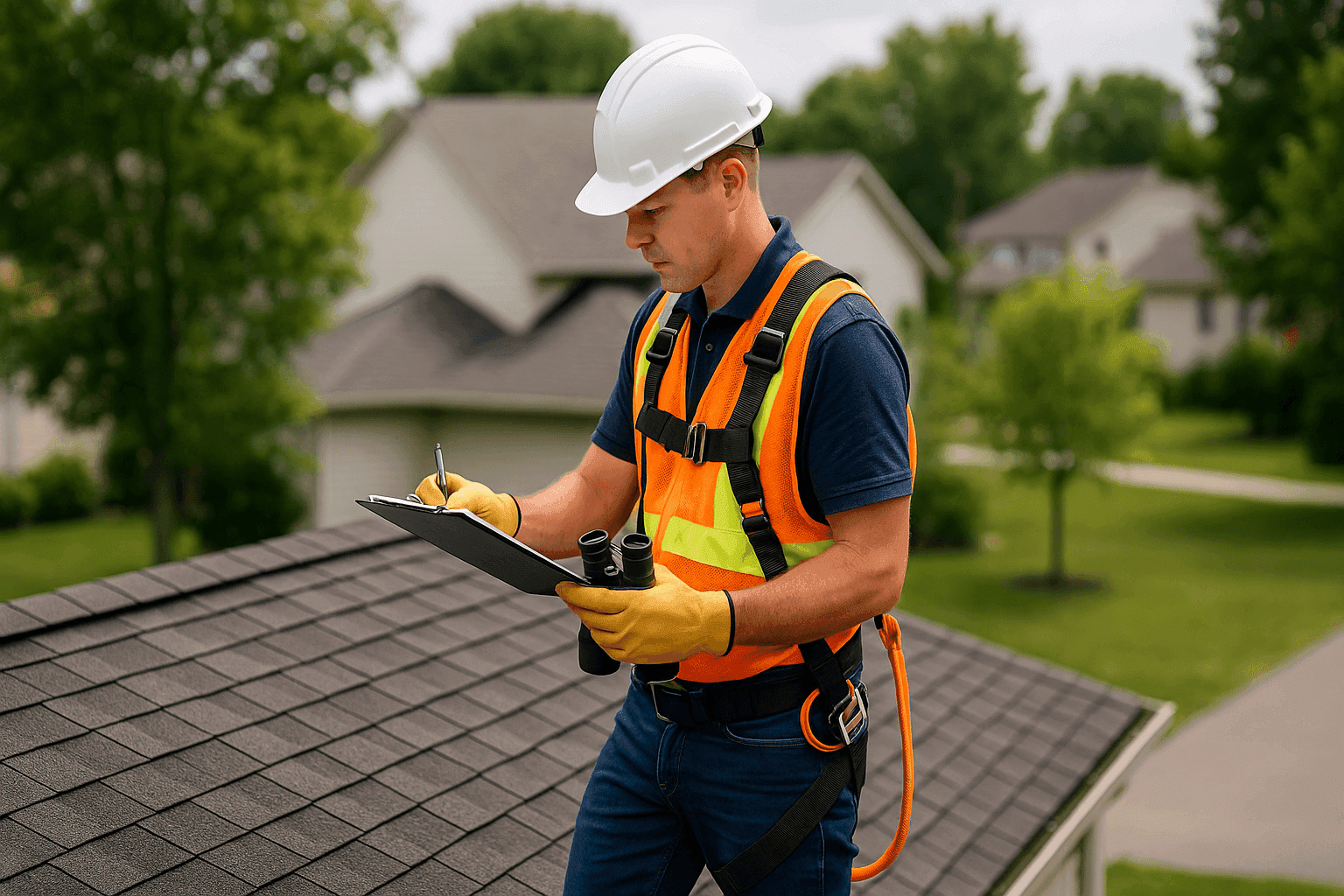
Is your roof trying to get your attention? Sometimes, it whispers—a stain on the ceiling, a missing shingle, a touch of mold in the attic. Other times, it shouts—a leak during a storm, or a gutter waterfall where it doesn’t belong. If you wait for the roof to scream, repairs get expensive fast.
At Robert Nelson Roofing, we know that every roof tells a story. The trick is reading it early, before a small hiccup becomes a five-alarm emergency. Here’s your practical guide to roof inspections—tailored for both homeowners and commercial property managers. Let’s help you spot trouble before it empties your wallet.
Why Regular Roof Inspections Matter 🏠
Think of your roof like a sturdy umbrella. Over time, even the best umbrella will let in a drip if you never check it for holes. The National Roofing Contractors Association recommends at least two inspections per year—usually after winter and at the end of fall.
- Residential: Keeps your family dry, safe, and warm.
- Commercial: Protects your business, inventory, and investments.
Ignoring regular checks is like skipping oil changes in your car. Problems will sneak up. Emergency roofing repairs are always more expensive than catching small issues early.
Quick Safety Checklist
Before you even think about climbing a ladder, safety is step one. Here’s what you need:
- Sturdy shoes with good grip
- A friend or neighbor to spot you (never go solo)
- Binoculars for ground-level inspections
- Gloves and mask (especially if checking attic insulation)
- Avoid the roof if it’s icy, wet, or windy
Never put yourself at risk for a closer look. When in doubt, call a professional.
DIY Visual Checks: What You Can Safely See
From the Ground
You don’t need to risk a fall to catch the basics. Walk around the house or building and look for:
- Curling, cracked, or missing shingles
- Sagging rooflines
- Rusted or loose metal flashing
- Granules collecting at the ends of downspouts (a sign shingles are aging)
- Blocked or overflowing gutters
- Moss, algae, or mold growth
From the Attic
Sometimes the first warning signs show up indoors:
- Spots or stains on the attic ceiling
- Wet insulation or musty smells (signals poor ventilation & insulation)
- Sunlight shining through roof boards
- Signs of animal nests or droppings
If you see any of these, it’s like a “check engine” light for your roof.
Key Warning Signs to Catch Early
Not every blemish is an emergency—but some are. Watch for these red flags:
- Leaks & Water Stains: Brown spots on ceilings or walls. Wet patches in the attic.
- Missing or Damaged Shingles: Easy entry points for water and pests.
- Damaged Flashing: Metal strips around chimneys, vents, and skylights keep water out. Any bending, rust, or gaps mean trouble.
- Clogged or Sagging Gutters: Water backup can rot roof edges and cause leaks.
- Pooled Water (Flat Roofs): For commercial properties, water that doesn’t drain within 48 hours can lead to membrane damage.
- Blistering or Bubbling (Flat/Low-Slope Roofs): Trapped moisture or poor ventilation under roofing material.
- Visible Mold or Algae: Not just ugly—this can trap moisture and speed up roof decay.
If you spot these, it’s time to act—fast.
When to Call a Professional 🛠️
Some jobs just aren’t DIY. Here’s when you should choose safety and expertise:
- If the roof is steep, high, or hard to access
- When leaks are active, especially near electrical fixtures
- If you find widespread shingle or flashing damage
- After severe storms (hail, wind, or heavy snow)
- For commercial buildings, if you see membrane bubbles, open seams, or ponding water
A professional from Robert Nelson Roofing can safely perform a thorough assessment, use industry tools (like moisture meters and infrared cameras), and provide a full report.
What Pros Do On Arrival
When we show up for an inspection, we follow best practices set by the NRCA and OSHA safety guidelines:
- Visual inspection of all roofing surfaces, flashings, chimneys, and skylights
- Check gutters, downspouts, and roof ventilation & insulation near you
- Interior attic check for hidden leaks, mold, and insulation issues
- For flat or commercial roofs: probe for soft spots, check seams, and inspect drainage systems
- Detailed documentation—so you have a record for insurance or warranty claims
We’ll explain what needs urgent repair, what can wait, and what simple maintenance can keep things humming.
Prevention & Maintenance: Your Roof’s Best Friends
Preventative steps are always cheaper than emergency roofing repairs. Here’s what you can do:
- Clean gutters twice a year (spring and fall)
- Trim back overhanging branches—no one wants a squirrel apartment up there
- Check attic for proper ventilation & insulation (energy codes recommend R-38 or higher in most attics—see your local building code)
- Inspect after major storms—look for wind-lifted edges or hail dents
- Schedule professional inspections every 6–12 months
For commercial properties, regular flat roof membrane checks and drain clearing are key. A little vigilance now pays off with fewer headaches later.
Costs & Time Factors
How much does an inspection or minor repair cost? While we don’t give quotes here, here’s what to expect:
- Time: A thorough inspection usually takes 60–90 minutes for a typical home or small commercial property.
- Costs: Preventative checks and minor repairs are generally much less expensive than waiting for a full-blown leak or structural issue. Emergency roofing visits (especially nights/weekends) are always pricier.
- Repairs: Replacing a few shingles or a flashing section is a small job. Letting water in for months? That’s when decking, insulation, and even electrical work may be needed.
Delaying maintenance is like skipping dentist visits—it always costs more in the end.
When It’s an Emergency 🚨
Some situations can’t wait:
- Water pouring in during a storm
- Ceiling bulging or collapsing
- Live electrical wires near a leak
- Large sections of missing roof after wind/hail
- Commercial roofs: standing water, structural sag, or sudden HVAC leaks
If you see these, leave the area, shut off electrical breakers if safe, and call Robert Nelson Roofing for emergency roofing services right away.
FAQ: Roof Inspection Questions Answered
How often should I inspect my roof?
Twice a year—spring and fall—plus after any major storm.
Can I perform a roof inspection myself?
You can spot many issues from the ground or attic, but avoid risky climbs. Always leave in-depth inspections to professionals.
What’s the most common roof problem you see?
Leaks from failed flashing, clogged gutters, or missing shingles are the usual suspects—across both homes and businesses.
How do I know if my flat roof needs repairs?
Look for pooling water, blisters, open seams, and membrane cracks. Commercial roofs require extra vigilance.
Local & Seasonal Considerations
Post-Winter Thaw:
Melting snow reveals what ice dams and freeze-thaw cycles hid. Check for shingle lift, flashing gaps, and attic moisture.
Pre-Hurricane or Storm Season:
Clear gutters, check downspouts, and trim trees. Secure any loose roof objects. Inspect for wind-lifted edges and exposed nail heads.
Fall Leaf Cleanup:
Leaves trap moisture. Clean gutters and drains so autumn’s mess doesn’t become winter’s disaster.
Hot Climates:
UV rays can cook shingles and dry out sealants. Check for brittle materials and faded color.
No matter your region, staying proactive with inspections is the best insurance against future emergency roofing calls.
Printable Roof Inspection Checklist
Here’s a summary you can use each season:
- Walk the property—look for sagging, missing, or cracked shingles
- Scan gutters and downspouts for blockages or leaks
- Inspect flashing, chimney caps, and skylights for gaps
- Check attic for leaks, stains, or sunlight
- Look for mold, algae, or moss growth
- For commercial roofs: check for standing water, open seams, membrane blisters
- After storms, look for fresh damage or debris
If you spot anything concerning, don’t wait. Small problems grow fast on the roof.
Ready for peace of mind? Protect your investment—schedule a roof inspection today.
Call Robert Nelson Roofing now — or reach us anytime at 888-897-9811 .