Emergency Roofing Checklist: What to Do Until Help Arrives
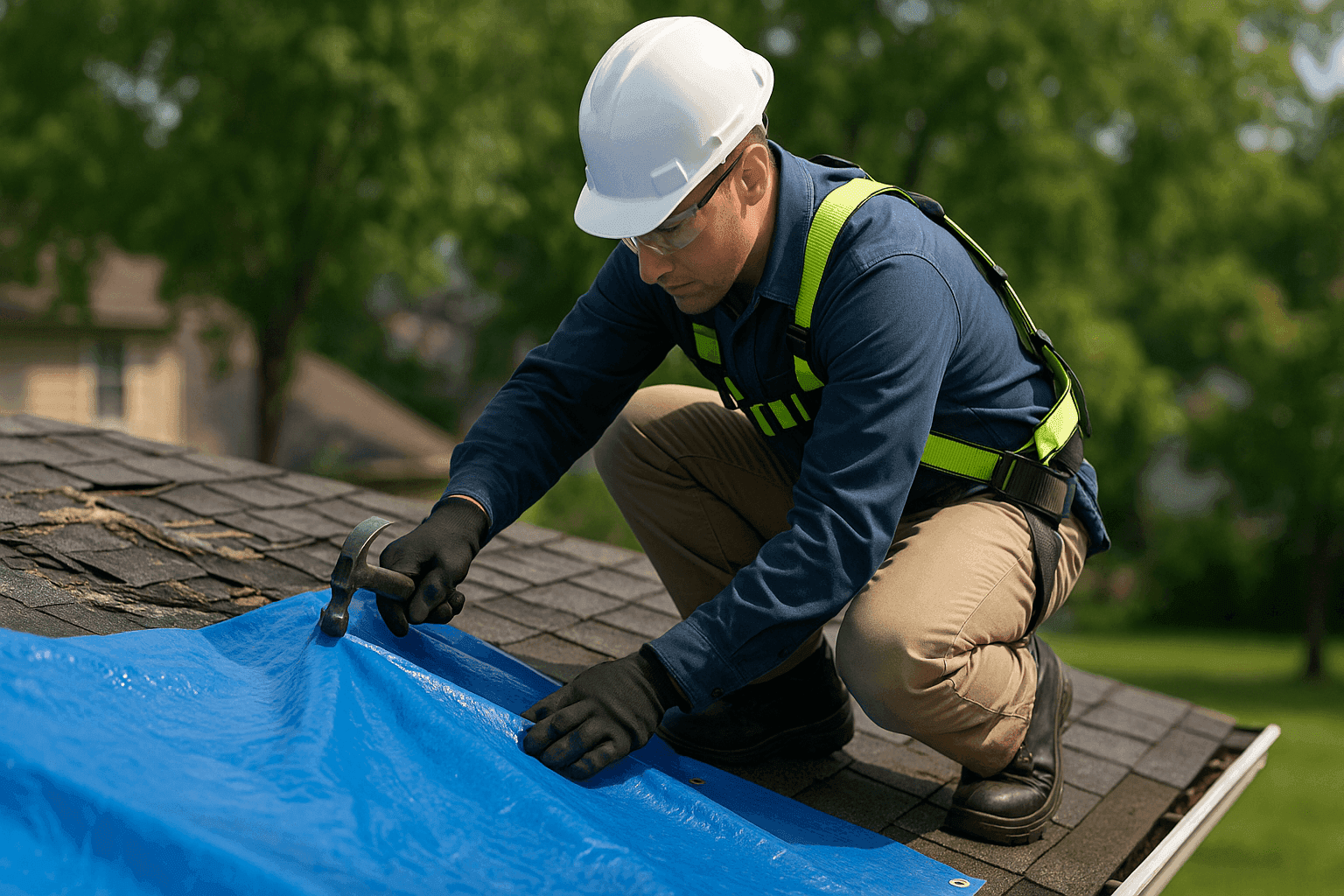
When a roof emergency crashes into your day—water pouring in, shingles flapping, maybe a tree limb where it shouldn’t be—time slows down and the stress ramps up. At Robert Nelson Roofing, we know those first hours can feel like a storm of their own. You want to protect your home or business, but you also want to stay safe.
This guide is here to help you breathe, act smart, and avoid making a tough situation worse. Whether you’re a homeowner or managing a commercial property, these steps will help you take control until emergency roofing pros arrive.
When the Roof Fails: Understanding the Emergency
Wind, hail, ice, or just the slow grind of time—roof emergencies don’t send a warning. Sometimes it’s a leak growing with every drop. Other times, it’s a full-blown collapse after a storm. For businesses, the stakes are higher: equipment, inventory, and productivity are all on the line.
No matter the cause, your priorities are the same:
- Keep people safe.
- Reduce further damage.
- Document everything for insurance.
- Call in licensed, insured professionals like Robert Nelson Roofing.
Essential Safety Steps 🦺
Before you grab a ladder or buckets, stop and check these off:
- Stay Off the Roof. Wet, damaged roofs are as slippery as ice rinks. Don’t risk a fall. Leave climbing to trained professionals.
- Shut Off Electricity if Needed. If water is dripping near outlets, lights, or the fuse box, cut power at the main breaker.
- Move Valuables. Shift furniture, electronics, and documents away from leaks.
- Contain Water. Use buckets or trash cans to catch drips. Lay down towels or tarps on floors to prevent slipping and damage.
- Watch for Structural Danger. If the ceiling bulges or sags, clear the area. Waterlogged ceilings can collapse with no warning.
- Evacuate if Unsafe. If you see fire, smell gas, or fear collapse, get everyone out and call 911.
For commercial buildings, also:
- Relocate sensitive equipment from affected areas.
- Close off damaged zones to employees, tenants, or customers.
The National Roofing Contractors Association and OSHA emphasize safety first—never risk your well-being for property.
Temporary Protection Tips
You can buy time and keep damage from spreading with a few fast moves:
- Tarp the Area (If Safe). Only if you can reach a leak safely from the inside—such as in an attic—spread a plastic sheet to slow water. For exterior tarping, wait for professionals.
- Seal Off Rooms. Close doors to limit water movement and protect unaffected spaces.
- Remove Standing Water. Mop or use a wet/dry vac if small puddles form indoors.
- Ventilate if Possible. Open windows (away from the weather side) to help dry out damp areas and limit mold growth.
- Photograph Everything. Snap pictures of leaks, damage, and affected items. These will be key for insurance.
Never use makeshift ladders, power tools, or climb on the roof yourself. If you’re unsure, wait for help. Your safety matters more than any shingle.
DIY vs. Calling a Professional Roofer
It’s tempting to try a quick fix. But when it comes to emergency roofing, the line between helpful and hazardous is thin.
DIY:
- Place buckets, towels, or tarps inside.
- Move belongings out of harm’s way.
- Take photos for documentation.
Call a Pro:
- Any repair involving climbing, power tools, or removal of debris.
- Tarping large sections of roof.
- Assessing and repairing structural issues.
Look for licensed, insured contractors with emergency experience. Ask for credentials. The best professionals are happy to show proof of insurance and local licensing.
What Emergency Roofers Do When They Arrive
When Robert Nelson Roofing’s crew shows up, we follow a step-by-step process:
- Inspection: We assess the damage, inside and out, sometimes with drones or infrared cameras.
- Temporary Repairs: Secure tarps, seal leaks, and stabilize any dangerous areas.
- Detailed Documentation: Photos, notes, and a clear report—vital for insurance and planning permanent repairs.
- Estimate & Planning: Break down the next steps, from roof flashing repair to full replacement.
Commercial properties may need extra care for flat roofs, HVAC protection, and compliance with building codes.
Prevention & Maintenance
While you can’t control the weather, you can prepare your roof for it:
- Schedule regular inspections—ideally twice a year, and after major storms.
- Keep gutters and downspouts clear (search for “Gutter Cleaning near you” for local options).
- Trim trees and remove debris from the roof.
- Ask about preventative maintenance services (like sealants, coatings, or roof flashing repair).
- For businesses, have a disaster plan for protecting equipment and stock.
According to the International Building Code (IBC) and National Roofing Contractors Association, routine maintenance is the best way to avoid preventable emergencies.
Costs & Time Factors
Every roof, every emergency, is unique. Here’s what influences the timeline and cost:
- Severity: Small leaks or missing shingles are faster to fix than structural or large-scale storm damage.
- Materials: Metal roofing, tile, shingle, or flat—each requires different solutions.
- Access: Steep pitches, multi-story buildings, or weather can slow work.
- Season: Freezing temps, ice, or ongoing rain may push back repairs.
Expect emergency service to cost more than scheduled maintenance, as crews are mobilized outside regular hours and often in tough conditions. Remember, a temporary fix today can prevent thousands in repairs later.
When It’s Truly an Emergency
Not every leak is a five-alarm fire. But call for emergency roofing if you see:
- Major leaks or water pouring through ceilings.
- Structural danger (sagging rafters, ceiling collapse).
- Exposed interior after a storm (missing shingles or roofing).
- Electrical hazards from water infiltration.
- Commercial: Threats to equipment, inventory, or business operations.
If in doubt, err on the side of caution. Delaying can turn a minor problem into a disaster.
Frequently Asked Questions
How do I know if my roof damage is an emergency?
If water is entering the building rapidly, or you see signs of structural weakness—such as sagging or cracking—treat it as urgent. For businesses, even minor leaks near electrical or sensitive equipment should be handled fast.
Should I try to tarp my own roof?
Only if it’s accessible from the inside and you’re not at risk. Never climb onto a roof during or after a storm—leave that to professionals with the right safety gear.
Will insurance cover this?
Most policies cover sudden, accidental damage (like storms), but not neglect or wear and tear. Take photos and call your insurer as soon as possible.
How can I find a reputable emergency roofing service near me?
Look for licensed, insured contractors with emergency roofing in their list of services. Ask for proof of insurance and check reviews. Don’t be afraid to ask questions.
Local & Seasonal Considerations 🌦️
Storms, ice, wind, or even wildlife—roofing emergencies change with the seasons.
- Storm Aftermath: Watch for missing shingles, leaking skylights, or chimney flashing damage after heavy wind or hail.
- Winter: Ice dams and freeze/thaw cycles can force water under shingles and lead to sudden leaks.
- Spring & Fall: Clogged gutters and downspouts often trigger water backups and roof damage.
- Commercial Properties: Flat roofs need extra attention—ponding water, blocked drains, and HVAC equipment risk.
Stay ahead by scheduling inspections after major weather events, and by searching for “Ventilation & Insulation near you” to keep your property healthy year-round.
Roof emergencies are stressful, but you don’t have to face them alone. Take a deep breath, follow these steps, and let the professionals handle the rest.
Call Robert Nelson Roofing now — or reach us anytime at 888-897-9811 .