How to Prepare Your Roof for Severe Weather: A Homeowner’s Guide
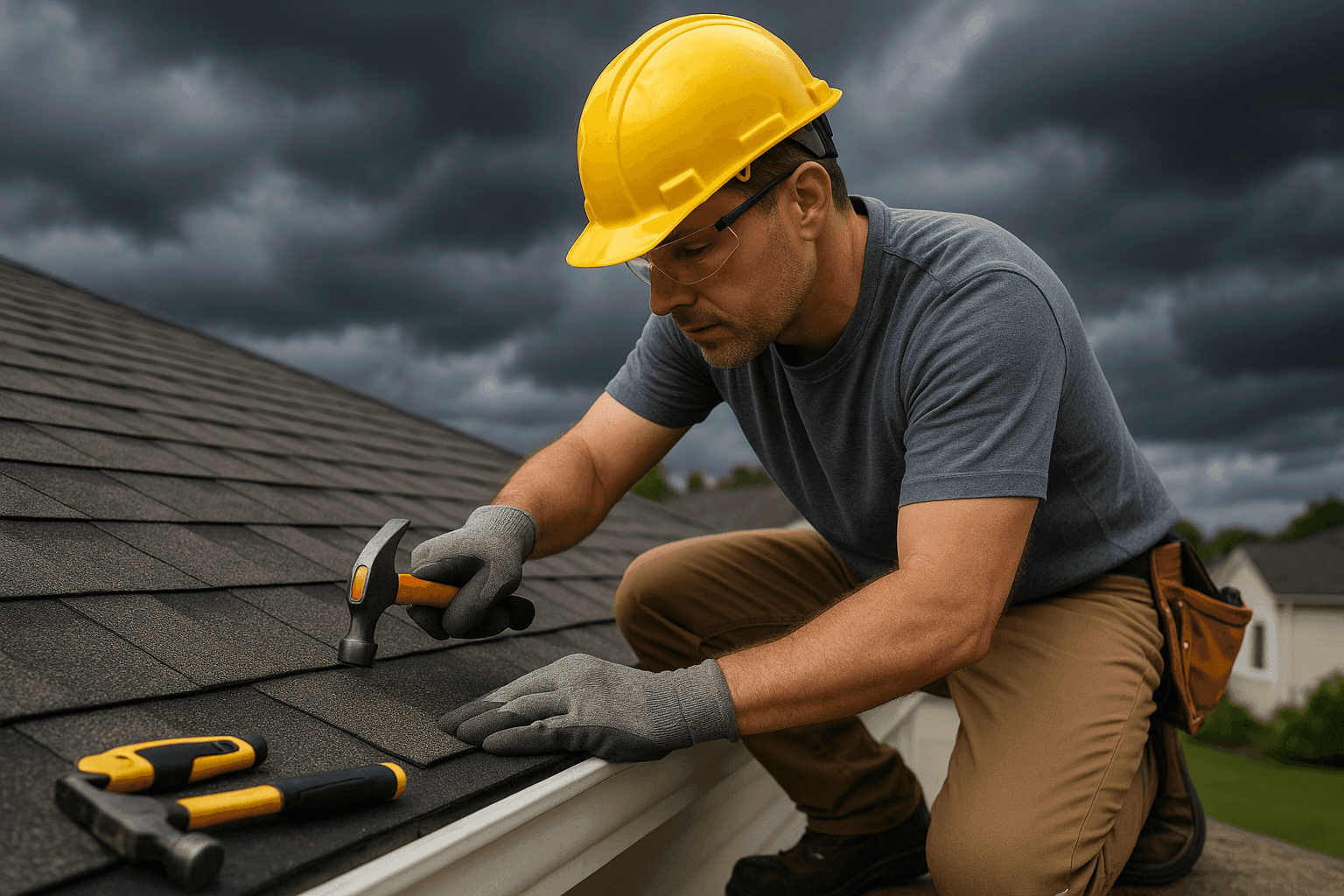
When the sky darkens and the forecast calls for trouble, your roof becomes your home’s helmet. Every year, storms, high winds, and heavy rain put roofs to the test. But with a little preparation, you can face the weather with confidence.
At Robert Nelson Roofing, we’ve seen firsthand how a few simple steps can prevent costly repairs and keep families safe. This guide shares practical, real-world advice to help you get ready—before the first thunderclap.
Understanding the Risks: What Severe Weather Can Do to Your Roof
Severe weather is like a heavyweight boxer. It comes at your roof from every angle—wind, water, hail, and flying debris. Here’s what you’re up against:
- Wind: Strong gusts can lift shingles, tiles, or metal panels. Over time, even small gaps let water sneak in.
- Rain: Heavy downpours test every seam, flashing, and gutter. If water pools or backs up, leaks can follow.
- Hail: Like a shower of marbles, hail can dent metal, crack tiles, and bruise shingles.
- Debris: Tree limbs and flying objects can puncture or scrape roofing materials, especially during storms.
According to the International Association of Certified Home Inspectors (InterNACHI), wind and water are the leading causes of roof damage during severe weather. Regular preparation is your best defense.
Quick Safety Checklist: Before the Storm Hits 🌩️
Protecting your home starts with a quick walkaround. Here’s a pre-storm checklist you can do safely from the ground or with binoculars:
- Inspect for loose or missing shingles, tiles, or panels.
- Check gutters and downspouts for clogs and secure attachments.
- Look for signs of damaged flashing around chimneys, vents, and skylights.
- Trim overhanging branches that could fall or scrape the roof.
- Clear away leaves, sticks, and debris from the roof and gutters.
- Check attic vents and insulation for signs of leaks or animal nests.
- Secure outdoor items (grills, patio furniture) that could become airborne.
If you’re not sure what you’re seeing, snap a photo and call a roofing professional for advice.
DIY or Call a Pro? Knowing Your Limits
Some roof prep tasks are safe for handy homeowners. Others are best left to trained professionals—especially when height, pitch, or storm damage is involved.
DIY-Friendly:
- Clearing gutters and downspouts (from a sturdy ladder).
- Trimming small, reachable branches.
- Visual inspections from the ground.
- Checking attic insulation and ventilation.
Call a Pro For:
- Repairing or replacing shingles, tiles, or metal panels.
- Fixing or resealing flashing.
- Large-scale debris removal.
- Inspecting and repairing skylights, chimneys, or flat roofs.
- Emergency roofing after a storm.
Remember, falls from roofs are a leading cause of home repair injuries (source: National Safety Council). When in doubt, call for help.
What Professionals Do When They Arrive
When you call Robert Nelson Roofing for emergency roofing or storm prep, here’s what to expect:
Step 1: Inspection
We start with a thorough inspection—roof, gutters, attic, and all. Our team checks for:
- Loose or missing roofing materials
- Damaged or rusted flashing
- Signs of leaks or water stains inside
- Blocked or sagging gutters and downspouts
- Weak spots in decking or structure
Step 2: Secure and Protect
If a storm is looming, we’ll quickly:
- Apply emergency tarps to exposed areas
- Reseal or reinforce flashing and seams
- Secure loose shingles, tiles, or panels
- Clear gutters and downspouts
Step 3: Address Immediate Repairs
For urgent issues, we can:
- Patch leaks
- Replace damaged materials
- Reinforce vulnerable areas
We follow guidelines from the National Roofing Contractors Association (NRCA) and OSHA for safety and quality.
Prevention & Maintenance: Building a Storm-Ready Roof
The best time to prepare for severe weather is before the clouds gather. Here’s how to give your roof a fighting chance:
Seasonal Maintenance Checklist
- Spring: Inspect for winter damage, clean gutters, check attic for leaks.
- Summer: Look for sun and heat damage, trim trees, check ventilation.
- Fall: Remove leaves and debris, inspect flashing, prepare for rain and snow.
- Winter: Watch for ice dams, clear snow if safe, monitor attic insulation.
Key Maintenance Tasks
- Gutter Cleaning: Clogged gutters cause water to back up onto the roof, leading to leaks and rot. Clean at least twice a year.
- Flashing & Sealants: Check and reseal areas around chimneys, vents, and skylights. Even small gaps can let in water.
- Ventilation & Insulation: Proper attic ventilation prevents heat and moisture buildup, reducing the risk of ice dams and mold.
- Downspout Installation & Repair: Make sure water flows away from your foundation.
- Preventative Maintenance: Schedule annual professional inspections to catch small problems before they grow.
Costs & Time Factors: What to Expect
Roof preparation and repairs don’t have to break the bank, but costs can add up if problems go unchecked.
- Routine inspections and gutter cleaning: Usually affordable and quick—often done in a couple of hours.
- Minor repairs (shingle replacement, small leaks): Moderate cost, typically completed within a day.
- Major repairs (structural damage, emergency roofing): Higher cost, may take several days depending on weather and material availability.
Delaying maintenance can turn a small leak into a major repair. Address issues early to save time and money.
When It’s an Emergency: Act Fast, Stay Safe
Some roof issues can’t wait. If you notice any of these, it’s time to call for emergency roofing services:
- Water pouring or dripping inside
- Large sections of missing or damaged roofing
- Sagging or collapsing roof deck
- Exposed wood or insulation
- Electrical hazards from water leaks
While waiting for help, place buckets under leaks and move valuables out of harm’s way. Avoid climbing on a wet or damaged roof.
Frequently Asked Questions
How often should I have my roof inspected?
Twice a year—ideally in spring and fall. After any major storm, it’s wise to check for new damage.
Can I use tarps as a temporary fix?
Yes, tarps can help prevent water entry until repairs are made. Secure them tightly and avoid walking on the roof during storms.
What’s the most important thing to check before a storm?
Gutters and downspouts. If water can’t flow off your roof, leaks and damage are much more likely.
Does insurance cover storm damage?
Policies vary. Most cover sudden, accidental damage from storms, but not neglect. Keep records and photos of your roof’s condition.
Special Considerations for Your Roof
Every roof is unique. Metal, shingle, tile, and flat roofs all face different challenges. Skylights, chimneys, and solar panels need extra attention. Eco-friendly roofing options may require specialized care.
If your building is older or has had previous repairs, professional inspections are even more important. Don’t forget about attic insulation and ventilation—they’re your roof’s hidden defenders against moisture and heat.
No matter the forecast, preparation is your best protection. A little roof care today can save you from headaches tomorrow.
Call Robert Nelson Roofing now — or reach us anytime at 888-897-9811 .