Metal Roofing for Homes & Businesses: Is It Worth the Investment?
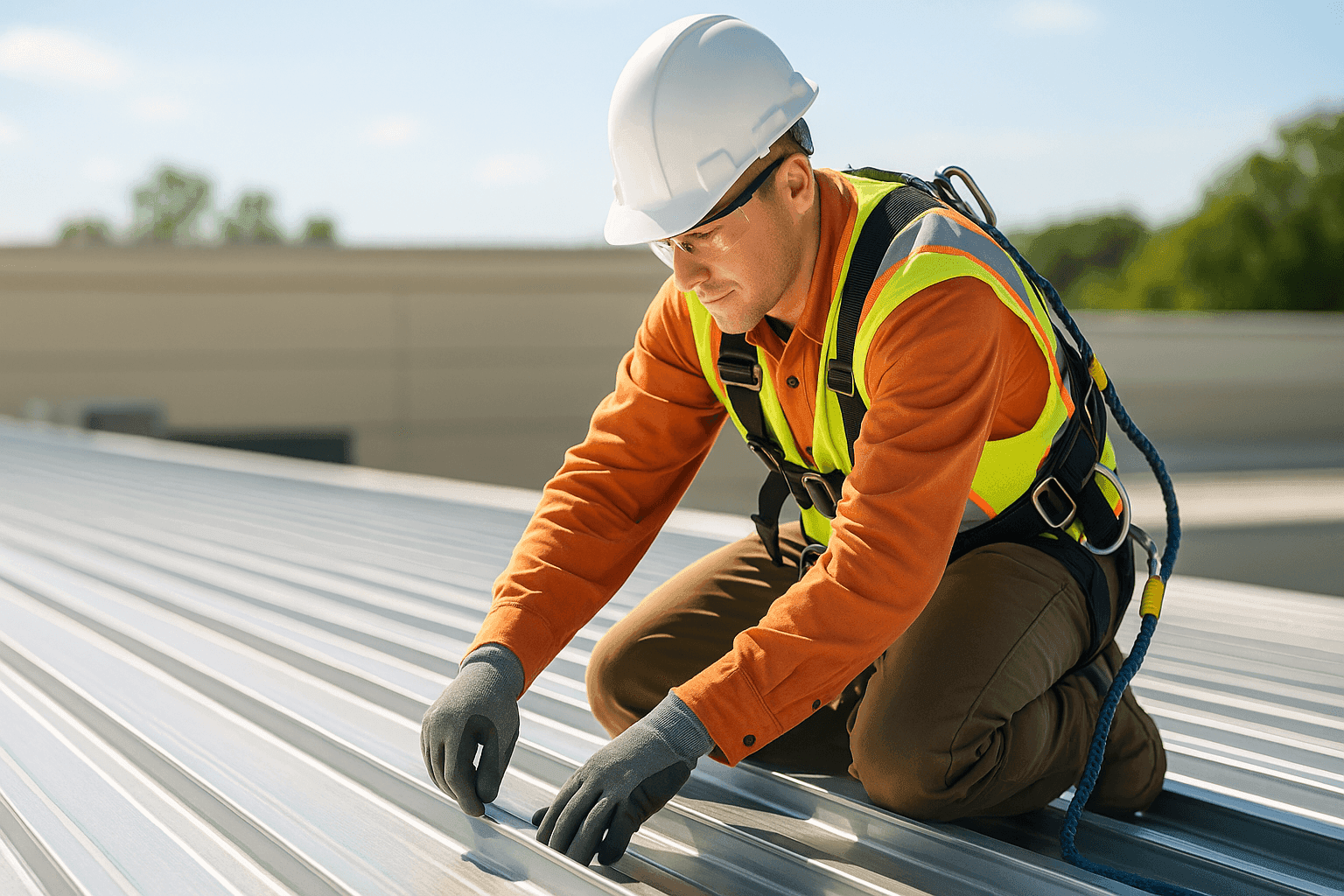
Is your old shingle roof looking rough? Or maybe you’re building something new—something that needs to last through snow, hail, and burning sun. You’ve heard about metal roofing, but is it really worth the higher price? That’s what we hear from homeowners and business owners every week.
At Robert Nelson Roofing, we’ve installed metal roofs on everything from cozy bungalows to sprawling warehouses. We’ve seen them stand strong through pounding hail, high winds, and, yes, the kind of snow that makes your gutters groan. Here’s the straight talk—no fluff—on whether metal roofing is the smart investment for your property.
Metal Roofing Types 🏡
Not all metal roofs are created equal. The material and style you choose will shape your roof’s look, performance, and price.
- Standing Seam: Those sleek, vertical panels you see on modern homes and commercial buildings. Hidden fasteners mean fewer leaks.
- Metal Shingles: Designed to mimic the look of wood, slate, or asphalt, but they last much longer.
- Corrugated Panels: Wavy sheets that are budget-friendly and common on barns or industrial buildings.
- Stone-Coated Steel: Layers of stone chips on steel panels for the classic look with metal strength.
- Aluminum, Steel, Copper, Zinc: Each metal has strengths. Steel is tough. Aluminum resists rust. Copper and zinc develop a gorgeous patina over decades.
Tip: Always check local building codes—some areas have rules on fire resistance, wind uplift, and snow load. The International Building Code (IBC) is a key resource here.
Advantages and Drawbacks
Every roof is a trade-off. Here’s how metal stacks up:
Advantages:
- Durability: Metal can laugh off hail, wind, and ice that shred traditional shingles. Expect 40–70 years of life.
- Fire Resistance: Unlike wood or asphalt, metal doesn’t ignite. That’s a game-changer in wildfire-prone regions.
- Energy Efficiency: Metal reflects sunlight, keeping attics cooler and slashing summer AC bills.
- Lightweight: Won’t stress your home’s structure or require extra framing.
- Style Variety: Modern metal comes in colors and textures to suit any taste.
- Low Maintenance: Forget yearly shingle replacements.
Drawbacks:
- Upfront Cost: Metal roofs can cost two to three times more than asphalt shingles.
- Noise: Rain on metal is louder—though attic insulation helps.
- Denting: Large hail can leave marks, especially on softer metals like aluminum.
- Complex Repairs: Emergency roofing situations need pros with specialized skills.
Cost and ROI
Let’s talk numbers, without dancing around them.
- Install Cost: Metal roofs often range from $8 to $15 per square foot installed, depending on type and complexity.
- Life Expectancy: 40–70 years, compared to 15–25 years for most asphalt.
- Energy Savings: Homeowners report up to 25% lower cooling costs, according to the Metal Roofing Alliance.
- Insurance Discounts: Some insurers offer lower premiums for fire- and hail-resistant roofs.
- Resale Value: According to Remodeling Magazine’s Cost vs. Value Report, you can recoup 60–85% of your investment on resale.
Picture it like buying a sturdy pickup instead of a basic sedan. More up front, but fewer breakdowns and way more miles.
ROI Tips:
- Check for available metal roofing tax credits or local incentives.
- Keep records of installation, product warranties, and professional inspections—these boost resale value.
Residential vs. Commercial Use
Homes:
- Metal roofs work on everything from cabins to castles.
- Great for steep slopes and complex roof shapes.
- Curb appeal: Modern standing seam or classic metal shingles can look stunning.
Businesses:
- Flat or low-slope roofs? Metal’s your friend.
- Ideal for warehouses, schools, retail, and restaurants.
- Offers long-term savings for property managers focused on minimizing disruptions and emergency roofing costs.
Gutter Repair near you and roof flashing maintenance are just as essential for metal as any other roof.
Maintenance Needs 🛠️
Metal roofs don’t ask for much, but a little love goes a long way.
- Annual Inspections: Look for loose fasteners, debris in gutters and valleys, and scratched coatings.
- Gutter Cleaning: Keeps water flowing away and stops ice dams before they start. (Don’t forget downspout repair!)
- Sealant Checks: Re-caulk flashing and penetrations every few years.
- Snow Removal: In heavy snow regions, use a roof rake to prevent overload.
- Hail or Storm Damage: After a big event, check for dents or punctures—especially around skylights, chimneys, and vents.
Pro Tip: Want to reduce noise and boost efficiency? Add a layer of rigid insulation and a vented attic space.
Durability by Climate
Metal shines where others fail.
- Snow Load: Metal sheds snow fast, lowering the risk of roof collapse. That matters in northern zones.
- Hail: Thicker panels resist dents. Class 4 impact ratings (per UL 2218) are best for hail-prone regions.
- Fire Risk: Metal meets Class A fire ratings—the highest available.
- Coastal Humidity: Opt for aluminum or zinc in salty air to prevent corrosion.
Always ask your installer about manufacturer warranties and see real project photos. At Robert Nelson Roofing, our crews are certified and follow OSHA safety standards on every job.
Project Photos & Certifications
We’re proud of our work—just ask for photos of completed residential and commercial metal roofs. Our team holds manufacturer certifications for leading brands and provides full documentation for every project.
Eco-Friendly Options
Metal roofs are often made from recycled materials and are 100% recyclable at end of life. Some systems even allow for solar panel integration, making them a future-proof choice for sustainability-minded owners.
Is Metal Roofing Worth It?
If you need a roof that outlasts trends and weathers the worst storms, metal is a smart investment. The price tag can sting at first, but the long-term savings on repairs, cooling bills, and replacements often tip the scale.
- Planning new construction? Consider metal from the start to avoid expensive retrofits.
- Facing frequent emergency roofing repairs? Metal can break the cycle.
- Looking for “Gutter Repair near you”? Pair new gutters with metal for year-round peace of mind.
Frequently Asked Questions
How noisy is metal roofing during rain?
With good attic insulation, most people barely notice. It’s not like living in a tin shed—more like a gentle patter.
Can metal roofs handle heavy snow and ice?
Absolutely. The slick surface sheds snow quickly, reducing dangerous buildup.
Will a metal roof increase my property value?
Most realtors say yes. Buyers love low maintenance and energy savings.
Are metal roofs safe in lightning storms?
They don’t attract lightning but, if struck, they safely disperse energy through the structure.
Local & Seasonal Considerations 🌨️
In regions with heavy snow or hail, metal’s durability is a lifesaver. In fire-prone areas, it’s added peace of mind. Coastal? Choose the right alloy to fend off salt.
- Northern States: Snow slides off, lessening weight on rafters.
- Midwest & Plains: Hail-resistant panels stop costly leaks.
- West & Southwest: Fire resistance is essential. Metal won’t spark or burn.
- Southeast: Reflective coatings beat the heat and humidity.
No matter where you live, regular inspections and maintenance keep your investment strong.
Ready to talk options, see samples, or book a roof inspection?
Call Robert Nelson Roofing now — or reach us anytime at 888-897-9811 .