How to Identify and Fix Roof Leak Sources Before They Cause Major Damage
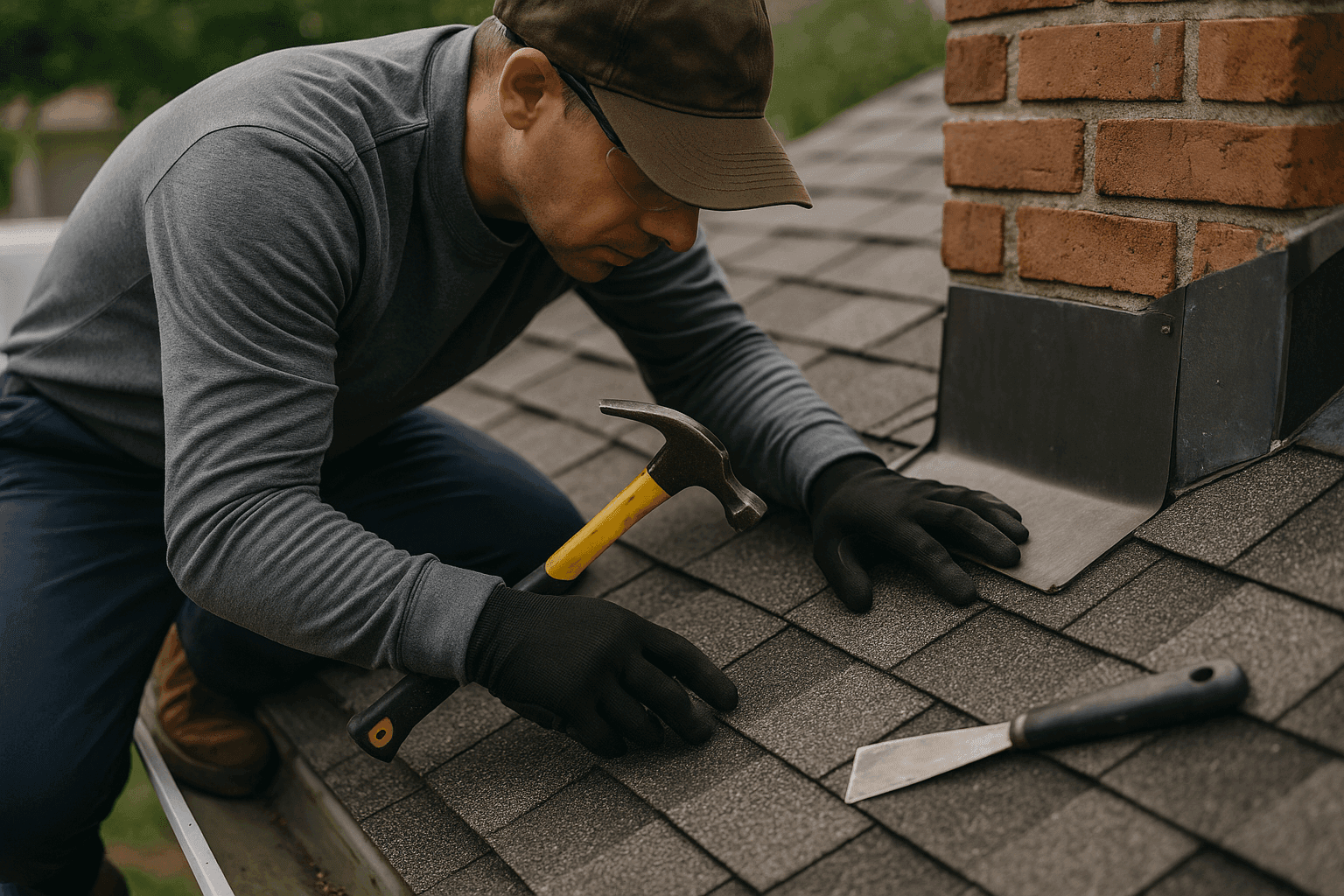
Have you ever noticed a mysterious stain on your ceiling after a heavy rain? Maybe you’ve heard the telltale drip-drip in the attic, or your gutters overflow like a busted water hose. Roof leaks don’t announce themselves politely—they sneak in, quietly causing chaos until it’s too late.
At Robert Nelson Roofing, we know a little leak can quickly become a big, expensive problem. Our emergency roofing team has seen it all—shingles blown off by storms, flashing peeling away like old tape, and gutters so clogged they could grow mushrooms. Here’s how you can spot the warning signs early, tackle quick fixes, and know when it's time to call in the pros.
Common Roof Leak Sources 🕵️
Leaks are like detectives’ riddles. The water may appear in your living room, but the source could be yards away. Here are the most common culprits:
- Damaged or Missing Shingles: Wind, hail, or years of sun can crack, curl, or blow shingles away, leaving your roof exposed.
- Faulty Flashing: Flashing is the thin metal that seals joints around chimneys, skylights, and vents. When it rusts or lifts, water finds a way in.
- Clogged Gutters and Downspouts: When gutters are packed with leaves or debris, water can back up under the roof edge or overflow down walls.
- Worn Sealants and Coatings: Over time, the protective sealants around vents, skylights, and seams can dry out, crack, or peel.
- Cracked Roof Vents or Pipe Boots: These rubber or metal covers can split, creating a hidden entry for water.
- Ice Dams: In winter, melting snow can refreeze at the roof’s edge, forcing water under shingles.
- Decking or Structural Issues: If the wood beneath your roofing is damaged, leaks can pop up in unexpected places.
How to Inspect Your Roof for Leaks
You don’t need to be a roofer to spot trouble. Grab a flashlight and follow these steps:
Indoor Signs
- Water stains on ceilings or walls: Look for brown, yellow, or copper-colored spots.
- Peeling paint or wallpaper: Moisture behind walls can cause bubbling or peeling.
- Mold or mildew smells: Persistent dampness can lead to musty odors.
- Sagging drywall: Waterlogged ceilings may droop or feel soft to the touch.
Outdoor Checks
- Shingle condition: Scan for missing, cracked, or curled shingles.
- Flashing: Check for rust, gaps, or loose sections around chimneys, vents, and valleys.
- Gutters and downspouts: Look for blockages, sagging, or disconnected joints.
- Sealants: Inspect caulking around roof penetrations for cracks or gaps.
- Roof valleys: These are prime leak zones—make sure they’re clear of debris.
Tip: Use binoculars for a ground-level inspection if you’re not comfortable climbing a ladder.
Quick Safety Checklist Before DIY Roof Checks
- Wait for dry weather. Wet roofs are slippery and dangerous.
- Use a sturdy ladder with non-slip feet and always place it on level ground.
- Wear rubber-soled shoes for better grip.
- Never work alone. Have someone nearby in case you need help.
- Avoid steep or high roofs unless you’re experienced—safety first.
DIY Leak Repair Tips
For small, easy-to-reach leaks, you may be able to handle a quick fix:
- Replace a shingle: Gently lift the damaged shingle and remove the nails. Slide a new one into place and secure it.
- Patch flashing: For minor gaps, use roofing caulk to seal around the edges. Press down firmly.
- Clear gutters: Remove leaves and debris by hand or with a scoop. Flush with a garden hose.
- Seal minor cracks: Use a high-quality roofing sealant around vents or exposed nail heads.
Warning: If you see widespread damage, mold, or signs of rot, stop. These need professional attention.
When to Call a Professional
Some leaks are like icebergs—what you see is just the tip. Call Robert Nelson Roofing if:
- You can’t find the source. Water travels in strange ways.
- The leak is near electrical wiring. Water and electricity don’t mix.
- There’s significant mold, rot, or sagging.
- The roof is steep, high, or has multiple layers.
- You’ve tried a fix and the leak returns.
Our emergency roofing team is available 24/7 for situations that just can’t wait.
What Pros Do On Arrival
When you call in Robert Nelson Roofing, here’s what to expect:
- Thorough inspection: We check inside and out, tracing water paths and testing suspect areas.
- Moisture detection: Using moisture meters, we find hidden damp spots.
- Targeted repairs: From flashing replacement to full shingle sections, we fix the root cause.
- Documentation: Photos and notes for your insurance or records.
- Advice: Honest recommendations on repair vs. replacement, and how to prevent future leaks.
We follow safety guidelines from organizations like OSHA and the National Roofing Contractors Association (NRCA).
Prevention & Maintenance Tips
A little care goes a long way. Here’s how to keep leaks at bay:
- Clean gutters and downspouts twice a year, especially after fall and spring storms.
- Trim overhanging branches to prevent damage from falling limbs.
- Check attic insulation and ventilation—it helps prevent ice dams and moisture buildup.
- Inspect after storms: Look for shingle debris in your yard or granules in gutters.
- Schedule annual roof checks by a qualified roofer.
Costs & Time Factors
Roof leak repairs can range from quick, affordable fixes to more involved projects. Factors that affect cost and time include:
- Size of the leak: Small patches are faster and less expensive than widespread damage.
- Type of roofing material: Metal, tile, and flat roofs may require special materials or expertise.
- Accessibility: Steep or multi-story roofs take longer to repair.
- Season: Emergency roofing calls during storms or freezing weather may take more time to complete safely.
Most minor repairs can be finished in a few hours. Major structural repairs or replacements may take several days.
When It’s an Emergency
Some situations can’t wait. Call for emergency roofing help if:
- Water is actively pouring in during a storm.
- Ceiling or walls are bulging or collapsing.
- You see exposed electrical wiring near water.
- There’s a risk of structural collapse.
Quick action can prevent thousands in damage and keep your home or business safe.
FAQ: Roof Leak Worries Answered
How do I know if my roof leak is serious?
If you see large or spreading stains, sagging ceilings, or water near electrical fixtures, it’s time to act fast. Even small leaks can lead to mold or rot if ignored.
Can I use tarps for emergency leaks?
Yes, a heavy-duty tarp can help block water in a pinch. Secure it tightly and call for professional repair as soon as possible.
Will insurance cover roof leaks?
Insurance may cover sudden damage from storms or accidents, but not leaks from neglect or lack of maintenance. Check your policy or speak with your agent for details.
How often should I have my roof inspected?
A professional inspection once a year, plus after major storms, is a smart move for most homeowners and businesses.
Special Considerations for Roof Leak Repair
- Storm Damage: Wind, hail, and flying debris can cause hidden leaks. Inspect your roof after every major storm event.
- Winter Freeze: Ice dams and heavy snow can force water under shingles. Proper insulation and ventilation are key.
- Flat Roofs: These are prone to ponding water—watch for bubbles or soft spots.
- Skylights & Chimneys: These features require extra attention, as seals can fail over time.
- Commercial Roofing: Flat or low-slope roofs on businesses often hide leaks until they’ve caused major interior damage.
Stay vigilant, and don’t ignore the warning signs. Your roof is your first line of defense against the elements.
Call Robert Nelson Roofing now — or reach us anytime at 888-897-9811 .