How to Identify and Fix Roof Flashing Leaks Before They Worsen
Picture this: a gentle rain turns into a steady drip in your hallway. You look up. There it is—a water stain spreading like a coffee ring on your ceiling. Most people think of missing shingles or old tiles when leaks appear, but the real culprit often hides in plain sight: roof flashing.
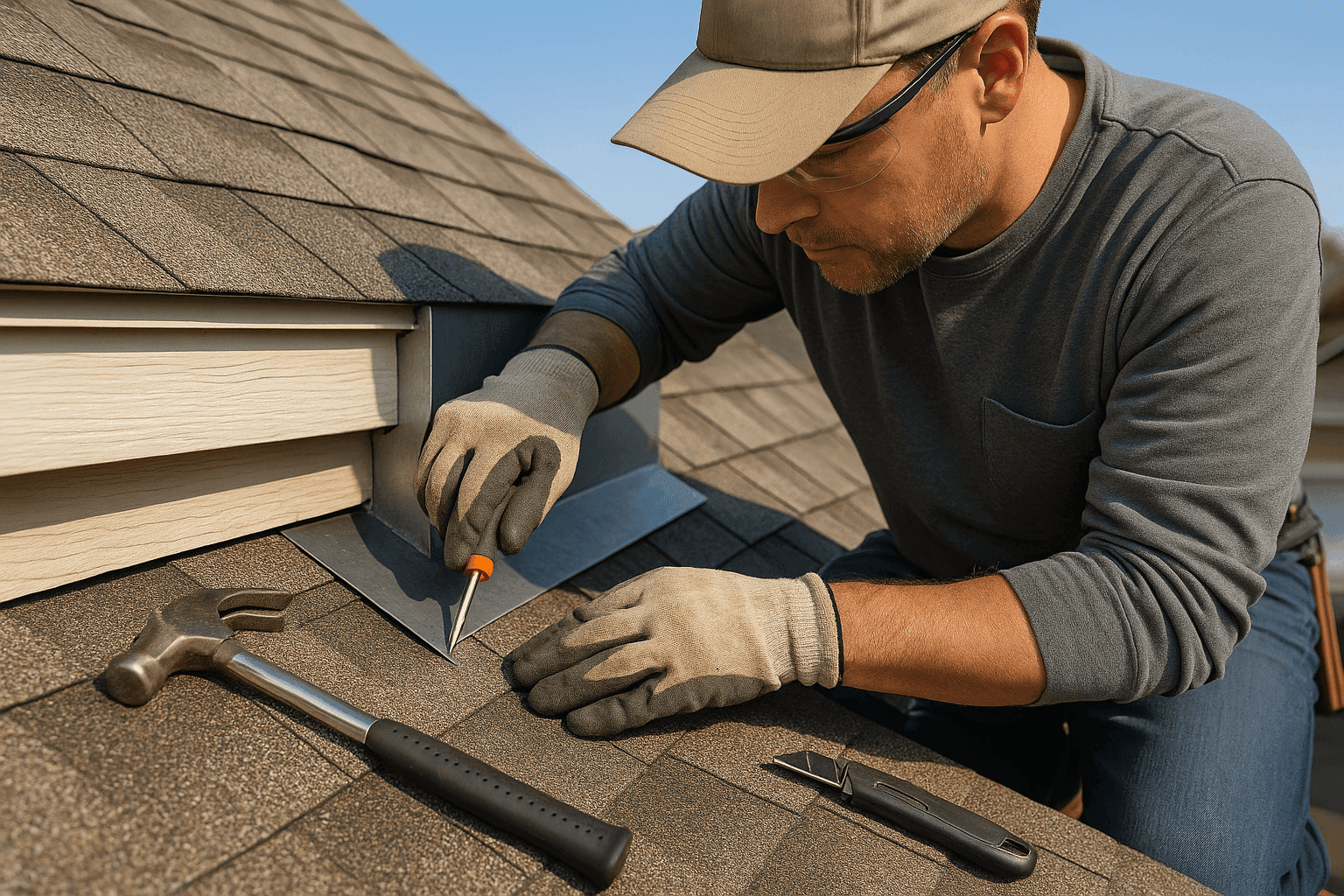
Roof flashing is the silent guardian of your roof. It’s the thin metal or flexible barrier that seals joints and edges—around chimneys, skylights, vents, and where roof planes meet. When it fails, water finds an open door. At Robert Nelson Roofing, we know how quickly a small flashing leak can spiral into a big, expensive headache. Let’s break down how you can spot flashing leaks early and—most importantly—what to do about them before things get worse.
Why Roof Flashing Matters
Think of roof flashing as the raincoat seams of your home. It’s not the main protection, but it keeps water from sneaking into the cracks. Flashing is found wherever your roof changes direction or meets an object:
- Chimneys
- Skylights
- Roof valleys
- Vents and pipes
- Edges and walls
If flashing is damaged or poorly installed, water can seep in, leading to mold, rot, and even structural damage. According to the International Association of Certified Home Inspectors (InterNACHI), flashing failures are one of the most common causes of roof leaks.
Signs of Roof Flashing Leaks 🚩
A leak rarely announces itself with a splash. Instead, look for these warning signs:
- Water stains on ceilings or walls, especially near fireplaces, windows, or attic spaces.
- Peeling paint or bubbling plaster—moisture trapped behind the surface.
- Mold or mildew growth, especially in the attic or upper floors.
- Musty odors that linger after rain.
- Damaged or missing shingles near roof joints.
- Rust or corrosion on visible flashing.
- Drips or puddles in the attic after storms.
Each of these is a red flag. The sooner you act, the less damage water can do.
Quick Safety Checklist Before You Inspect
Before you grab a ladder or head to the attic, safety comes first. Roofs are dangerous places, especially when wet or slippery.
- Wear sturdy, non-slip shoes or boots.
- Use a stable ladder. Make sure it’s on level ground.
- Never inspect during rain, snow, or high winds.
- Bring a flashlight for attic checks.
- Watch for exposed nails or loose shingles.
- If you’re uneasy with heights or unsure, stay grounded and call a pro.
Remember: A roof is no place for shortcuts. The National Roofing Contractors Association (NRCA) recommends never working alone.
How to Inspect for Flashing Leaks
You don’t need a contractor’s license to spot trouble. Here’s how to check for flashing leaks safely:
Inside Your Home
- Check ceilings and walls for stains or dampness after heavy rain.
- Inspect the attic with a flashlight. Look for wet wood, mold, or dark spots.
- Feel for drafts near chimneys or vents—moist air can mean a gap.
On the Roof (if safe)
- Walk the perimeter and look at areas where roof planes meet or where objects protrude.
- Examine flashing for rust, cracks, or gaps.
- Check sealant—it should be smooth and unbroken. Dried or peeling caulk is a weak spot.
- Look for loose shingles or debris buildup near flashing.
A little detective work now can save you from a flood of problems later.
Temporary Fixes for Emergencies
Caught in a storm with water pouring in? Here’s how to limit damage until help arrives:
- Cover the area inside with buckets or towels to catch drips.
- Tarp the roof—if safe, secure a heavy-duty tarp over the leaking section. Anchor it with boards or heavy objects.
- Apply roofing tape or sealant to visible cracks in flashing as a short-term patch.
- Clear debris from gutters and downspouts to help water flow away.
These are only stopgaps. Permanent repairs require proper materials and know-how.
DIY vs. Call a Pro
Some fixes are simple. Others need a trained eye and a steady hand. Here’s when you might handle it yourself—and when to call Robert Nelson Roofing:
DIY (With Caution)
- Replacing a small section of loose or missing sealant.
- Clearing leaves or debris from flashing.
- Spotting and reporting problems.
Call a Pro
- If flashing is rusted, bent, or missing.
- Leaks persist after attempted fixes.
- Water is entering near chimneys, skylights, or valleys.
- There’s visible mold, rot, or structural damage.
- The roof is steep, high, or slippery.
Professional roofers use specialized tools and safety gear. They also know how to spot hidden issues you might miss.
What the Pros Do On Arrival
When you call emergency roofing services for a flashing leak, here’s what to expect:
- Assessment: A thorough inspection inside and out—attic, roof, and all flashing points.
- Moisture mapping: Using moisture meters to find hidden dampness.
- Temporary containment: Tarps or sealant to stop immediate leaks.
- Detailed repair: Replacing or resealing flashing, shingles, or underlayment as needed.
- Cleanup: Removing wet insulation or debris to prevent mold.
- Final inspection: Ensuring all trouble spots are secure and watertight.
A reputable roofing team follows Occupational Safety and Health Administration (OSHA) standards for safety and repairs.
Prevention & Maintenance: Keeping Leaks at Bay 🛡️
An ounce of prevention is worth a pound of buckets. Here’s how to keep flashing leaks from returning:
- Schedule annual roof inspections—especially after storms.
- Keep gutters and downspouts clear so water flows away from flashing.
- Trim overhanging branches that drop leaves or scrape flashing.
- Check attic ventilation and insulation to reduce condensation.
- Replace cracked or dried sealant—don’t wait for a leak.
- Watch for animal nests—birds or rodents can damage flashing.
Routine maintenance is your best defense against water damage and expensive repairs.
Costs & Time Factors
Every roof is different, but here’s what affects the cost and timing of flashing repairs:
- Extent of damage: Minor resealing is quick; replacing rusted flashing takes longer.
- Roof type: Steep or complex roofs require more time and labor.
- Material: Metal flashing (aluminum, copper, galvanized steel) varies in price.
- Accessibility: Hard-to-reach areas may cost more.
Small repairs can take an hour or two. Major repairs or replacements may need a full day. Emergency roofing services might cost more due to urgency, but fast action often saves money in the long run by preventing bigger problems.
When It’s an Emergency
Some situations can’t wait:
- Active leaks during storms.
- Ceiling or wall collapse from water damage.
- Electrical hazards—water near wiring or outlets.
- Mold outbreaks—especially for sensitive occupants.
If water is pouring in or you see major damage, treat it like a burst pipe. Move valuables, contain the water, and call for emergency roofing help immediately.
FAQ: Roof Flashing Leaks
How often should I check my roof flashing?
At least once a year, plus after major storms. Early detection is key to avoiding big repairs.
Can I use caulk or roof cement as a permanent fix?
These materials are good for temporary patches, but professional-grade flashing and sealants last longer and protect better.
What causes flashing to fail?
Age, poor installation, weather exposure, and debris buildup are common culprits. Even small animals can pry or damage flashing.
Will insurance cover flashing leaks?
Insurance may cover sudden damage from storms, but not gradual wear or lack of maintenance. Check your policy for details.
Special Considerations for Roof Flashing Service
- Storm season: Inspect flashing before and after heavy storms to prevent leaks.
- Older homes: Original flashing may be made from less durable materials—upgrades are worth it.
- Eco-friendly options: Modern flashing materials include recyclable metals and low-VOC sealants.
- New construction: Proper flashing installation is critical for longevity—don’t cut corners.
- Multi-story buildings: Access and safety are more challenging—professional help is a must.
Roof flashing is a small detail with a big job. Don’t let a tiny gap turn into a flood.
Call Robert Nelson Roofing now — or reach us anytime at 888-897-9811 .