How to Extend Your Roof’s Lifespan: Expert Maintenance Tips
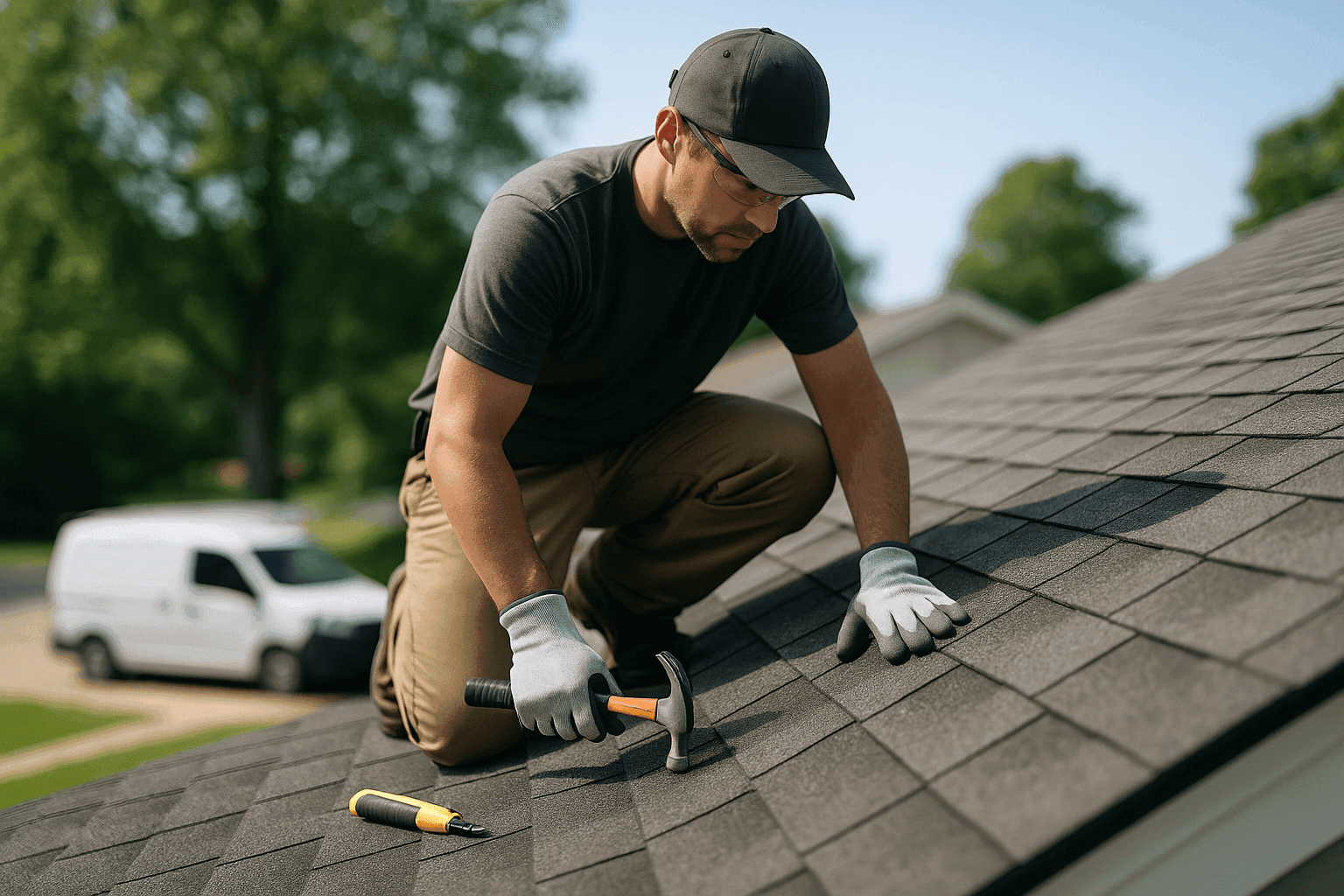
Is your roof quietly working overtime? Most people don’t think about their roof until water starts dripping into the living room. By then, the damage is done. At Robert Nelson Roofing, we know a little attention now can prevent big headaches later.
Your roof is the shield that stands between your family or business and the elements. With the right care, it can last for decades—saving you money, stress, and sleepless nights.
Why Roof Maintenance Matters
Imagine your roof as a sturdy umbrella. Over time, wind, rain, sun, and debris wear it down. Without regular checkups, even the toughest roofs develop weak spots. These can turn into costly leaks or even full-blown emergencies.
A well-maintained roof:
- Prevents hidden leaks and water damage
- Protects against storm and wind damage
- Keeps energy bills in check with proper insulation and ventilation
- Extends the lifespan of your roofing materials
- Saves you from expensive, unexpected repairs
According to the National Roofing Contractors Association (NRCA), routine inspections and maintenance are key to roof longevity. Ignoring small issues is like ignoring a slow leak in a boat—you might not notice at first, but eventually, you’re bailing water.
Quick Roof Safety Checklist 🛑
Before you climb a ladder or grab a flashlight, safety comes first. Roof work can be risky. Here’s a quick checklist:
- Inspect from the ground first—use binoculars if needed
- Never walk on a wet or icy roof
- Wear shoes with good traction
- Use a sturdy, properly placed ladder
- Avoid roof edges
- Watch for loose shingles or tiles
- Don’t work alone—have someone nearby
If you’re ever unsure, call a professional. Safety is never worth risking.
DIY or Call a Pro? Knowing Your Limits
Some roof tasks are simple—others are best left to trained hands. Here’s how to tell the difference.
DIY-Friendly Tasks:
- Cleaning gutters and downspouts
- Removing debris like leaves or branches
- Checking for obvious signs of damage from the ground
- Replacing a missing shingle (if you’re comfortable and it’s safe)
Call a Pro For:
- Inspecting roof flashing and sealants
- Repairing leaks or storm damage
- Assessing structural issues or sagging
- Working on steep, high, or complex roofs
- Installing or repairing skylights, chimneys, or ventilation
Remember, what looks simple from the ground can be tricky up close. If you spot something suspicious—stains, cracks, or missing materials—don’t wait. Emergency roofing services are there for a reason.
What the Pros Do On Arrival
When you call Robert Nelson Roofing, our team arrives with a trained eye and the right tools. Here’s what you can expect:
- Full visual inspection: We check shingles, tiles, metal panels, and flat roof membranes for damage or wear.
- Flashings and sealants: We look closely at roof edges, chimneys, skylights, and vents, where leaks love to hide.
- Gutters and downspouts: We clear blockages and check for damage that could cause water to back up under the roof.
- Attic and insulation: We peek inside for signs of leaks, mold, or poor ventilation.
- Written report: You get a clear summary of what we find and what needs attention.
We follow best practices outlined by the National Roofing Contractors Association and OSHA safety guidelines, so you know the job is done right.
Prevention & Maintenance: The Key Tasks
A little prevention goes a long way. Here are the most important maintenance steps to keep your roof in top shape:
1. Seasonal Gutter Cleaning
Clogged gutters are a roof’s worst enemy. Water backs up, seeps under shingles, and causes rot. Clean gutters at least twice a year—more if you have lots of trees nearby.
Tip: After heavy storms, check gutters for blockages or damage.
2. Inspect and Repair Flashing
Flashing is the thin metal or rubber that seals edges around chimneys, skylights, and vents. Even a tiny crack can let water in.
- Look for rust, separation, or missing pieces
- Replace old or damaged flashing promptly
3. Check Sealants and Coatings
Sealants keep water out of seams and joints. Over time, sun and weather break them down.
- Inspect for cracking or peeling
- Reapply as needed, especially before rainy seasons
4. Monitor Ventilation and Insulation
Poor ventilation leads to heat buildup and moisture in the attic, which can warp your roof deck and cause mold.
- Make sure attic vents are clear
- Insulation should be even and dry
- Look for signs of condensation or mildew
5. Regular Roof Inspections
Schedule a professional roof inspection at least once a year, and after major storms. Early detection is your best defense against big repairs.
6. Trim Overhanging Branches
Branches scraping against your roof can damage shingles and invite pests. Keep trees trimmed back.
7. Address Minor Repairs Quickly
A missing shingle or loose tile may not seem urgent, but small problems grow fast. Prompt repairs keep costs down and prevent emergencies.
Roof Inspection Checklist
Empower yourself with this simple checklist. Walk around your home or business and look for:
- Missing, cracked, or curling shingles/tiles
- Rusted or missing flashing
- Stains or streaks on ceilings and walls inside
- Sagging rooflines or visible dips
- Granules from shingles collecting in gutters
- Blocked or leaky gutters/downspouts
- Moss, algae, or mold growth
- Damaged or missing chimney caps
- Skylight or vent leaks
- Attic dampness or visible daylight
If you spot any of these, it’s time to take action.
Costs & Time Factors: What to Expect
Roof maintenance costs vary depending on size, material, and what needs fixing. Cleaning gutters or minor repairs may take an hour or two. Larger jobs—like replacing flashing or repairing storm damage—can take a day or more.
Investing in routine maintenance is like getting regular oil changes for your car. It’s a small expense compared to the cost of a major breakdown. According to the International Association of Certified Home Inspectors, a well-maintained asphalt shingle roof can last 20–30 years, while metal or tile roofs may last even longer.
When It’s an Emergency 🚨
Some roof problems can’t wait. Call emergency roofing services if you notice:
- Active leaks during or after a storm
- Sudden sagging or visible structural damage
- Large sections of missing roofing material
- Water pouring through ceilings or walls
- Severe wind or hail damage
Quick action limits damage and keeps your property safe.
Frequently Asked Questions
How often should I have my roof inspected?
At least once a year, plus after major storms. Older roofs or those in harsh climates may need more frequent checks.
What are the warning signs of a failing roof?
Leaks, water stains, missing or curling shingles, sagging, and increased energy bills are all red flags.
Can I do roof maintenance myself?
Some tasks, like gutter cleaning and visual checks, are DIY-friendly. For repairs, inspections, or anything involving heights, it’s safer to call a professional.
What materials last the longest?
Metal, tile, and high-quality shingles tend to have the longest lifespans. Always choose products that meet building code standards and come from reputable manufacturers.
Special Considerations for Roof Longevity
Every roof is different. Flat roofs need extra attention to drainage and coatings. Metal roofs require regular checks for loose fasteners and rust. Skylights, chimneys, and solar panels add complexity and more places for leaks.
Eco-friendly options, like reflective coatings or improved insulation, can reduce energy costs and extend your roof’s life. Preventative maintenance is especially important for commercial roofing, where leaks can disrupt business.
If you’re planning new construction or a roof replacement, invest in quality materials and professional installation. A strong foundation means less trouble down the road.
Your roof works hard—don’t let it down. Schedule regular maintenance, stay alert for warning signs, and call for help at the first sign of trouble.
Call Robert Nelson Roofing now — or reach us anytime at 888-897-9811 .