Eco-Friendly Roofing Options: Materials, Benefits, and ROI
When rain pounds your roof or hail starts to fall, you need confidence that your home or business is protected. But what if your roof could do more than just keep you dry? What if it could protect the planet, save you money, and last for decades?
At Robert Nelson Roofing, we know you want more from your roof—especially when emergencies hit. Whether it’s “emergency roofing” after a storm, or a planned upgrade to greener materials, you deserve clear, honest guidance. Let’s break down eco-friendly roofing options: what they’re made of, how they help, and why they’re worth it.
What Makes a Roof Eco-Friendly? 🌱
An eco-friendly roof is more than a buzzword. Think of it as a shield that not only defends your property, but also helps the Earth breathe easier.
Key traits of an eco-friendly roof:
- Made from recycled or sustainable materials
- Designed to reflect heat, lowering energy use
- Built to last longer, reducing landfill waste
- Sometimes able to generate energy (solar)
- Helps manage stormwater or improves air quality (green roofs)
Choosing the right materials and methods matters. According to the U.S. Environmental Protection Agency (EPA), cool roofs and solar systems can cut cooling costs by up to 20%. The materials you pick don’t just impact your wallet—they shape your local climate and community.
Material Options: What’s Out There?
Every roof tells a story. What do you want yours to say? Here’s what’s making waves in eco-friendly roofing for both homes and commercial properties:
Solar Roofing Systems
Solar panels and solar shingles turn sunlight into electricity. This means:
- Lower utility bills
- Smaller carbon footprint
- Backup power during outages
Solar works well on both pitched and flat roofs. Durable, but needs professional installation to meet code and safety guidelines.
Cool Roofs
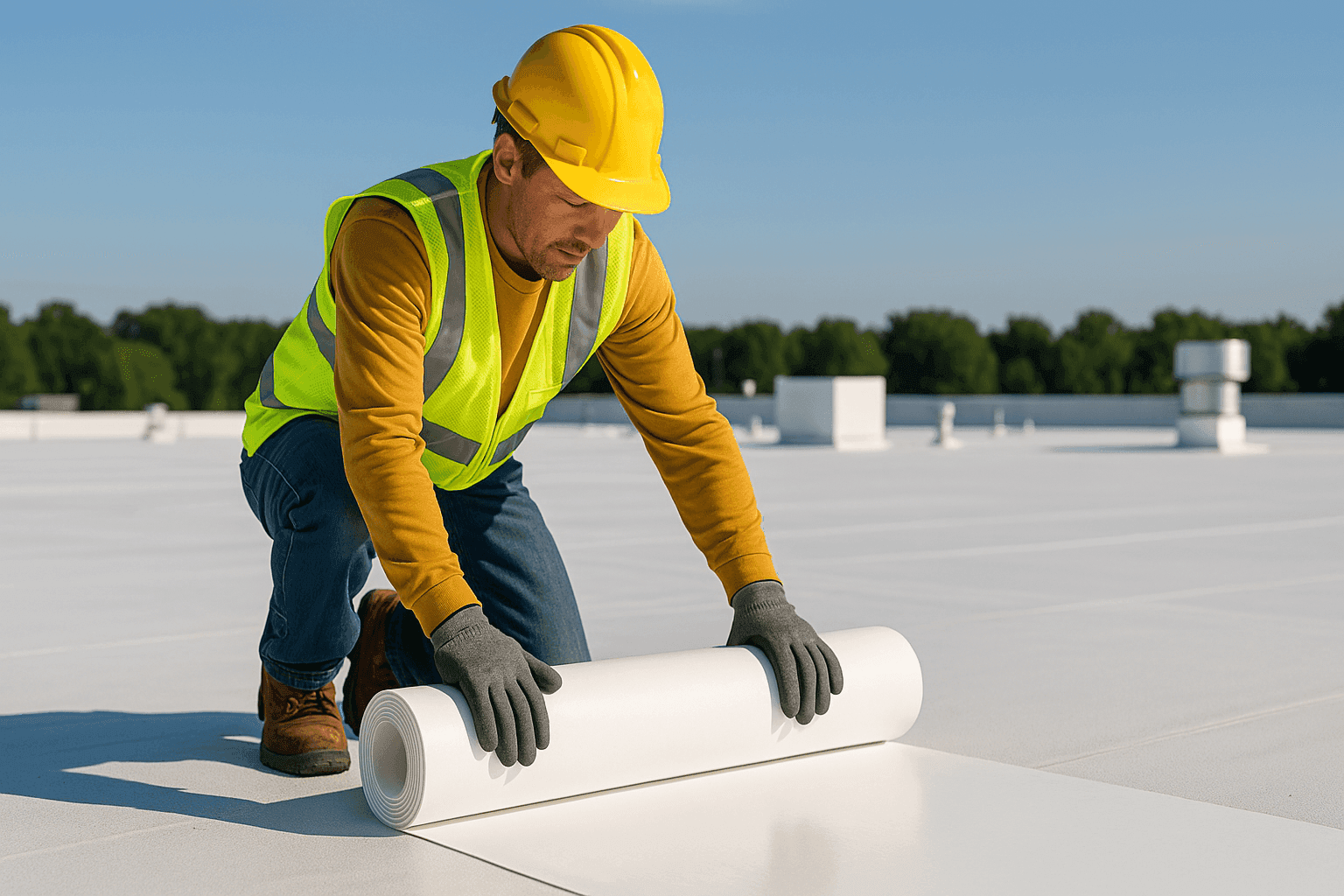
Reflective shingles, membranes, or coatings bounce heat away. Imagine putting sunglasses on your house. Benefits:
- Reduces heat absorption
- Keeps interiors cooler
- Cuts air conditioning costs
The U.S. Department of Energy recommends cool roofs in hot climates for maximum impact.
Recycled & Recyclable Materials
Modern technology brings us shingles and tiles made from:
- Recycled rubber
- Plastic
- Metal
- Wood fibers
These materials keep waste out of landfills and often last longer than traditional asphalt. For example, metal roofing can last 40-70 years and is fully recyclable at end of life.
Green Roofs & Living Roofs
These are actual gardens on your rooftop! Soil, plants, and drainage layers soak up rain, clean the air, and insulate your building. Ideal for flat roofs on commercial properties, but possible for homes with the right support.
Clay, Slate, and Concrete Tiles
Heavy, durable, and naturally sourced. These tiles can be recycled and stand up to harsh weather, making them a smart choice for both hot and cold climates.
Eco-Friendly Coatings and Sealants
Low-VOC (volatile organic compound) sealants protect roofs from leaks without polluting indoor air. Smart for leak repair or preventative maintenance.
Cost and Long-Term Savings
Let’s be honest: “Going green” doesn’t always mean “going cheap.” But it does pay off over time.
Breakdown of costs and savings:
- Upfront: Expect to pay 10–30% more for eco-friendly materials than standard asphalt. Solar is the priciest, green roofs are mid-range, recycled shingles are often affordable.
- Monthly savings: Lower energy bills—especially with solar or cool roofs. Many owners report 15–25% annual savings.
- Resale value: Eco-roofs can boost property value by 5–10%. Buyers love efficient, low-maintenance features.
Don’t forget: Long lifespan means less frequent repairs, fewer replacements, and less stress when storms hit.
Tax Credits & Rebates
The government wants you to go green—and they’ll often help pay for it.
- Federal tax credits: You may claim up to 30% off solar installations (see IRS Form 5695). Cool roofs and insulation sometimes qualify, too.
- State and local rebates: Many states offer cash-back for energy-efficient upgrades. Check the Database of State Incentives for Renewables & Efficiency (DSIRE) to see what’s available near you.
- Commercial incentives: Businesses can often depreciate eco-roof investments faster, reducing tax bills.
Always check with a tax professional before making decisions.
Installation Tips: Getting It Right the First Time 🛠️
Eco-friendly roofs need precision—especially when emergencies or extreme weather are involved.
Smart steps:
- Hire certified installers. Look for credentials like GAF Master Elite, CertainTeed SELECT ShingleMaster, or LEED-accredited pros.
- Choose the right system for your climate. Metal and cool roofs excel in hot, sunny areas. Green roofs insulate in cold regions.
- Plan for maintenance. Schedule regular inspections, gutter cleaning, and preventative maintenance—especially after storms.
- Check local codes. Some areas require permits or special structural support for solar or living roofs.
- Document everything. Photos before, during, and after help with warranties and future resale.
How Eco Roofs Improve Value and Reduce Bills
People notice when you choose green. Eco-friendly roofs make your property stand out, whether you’re a homeowner or a business.
Perks:
- Lower insurance premiums (ask your provider)
- Better indoor air quality
- Less heat loss in winter, less heat gain in summer
- Reduced “urban heat island” effect for your neighborhood
And when the next emergency hits, durable materials and smart design keep leaks, storm damage, and costly repairs at bay.
Local/Seasonal Considerations
Hot summers? Cold, icy winters? High winds or heavy rain? Every region has its quirks.
- Hot climates: Cool roofs, solar panels, and reflective coatings help most. These options fight off the sun’s relentless heat.
- Cold climates: Metal, tile, and green roofs boost insulation and shed snow fast. Be sure to check snow load requirements.
- Storm-prone areas: Impact-resistant shingles, strong flashing, and robust gutter repair near you make a big difference.
Robert Nelson Roofing can recommend the right solution for your environment. We know what works—and what doesn’t—because we’ve seen it all.
Project Photos: Real-World Results
Imagine a flat roof, once a heat trap, now gleaming with a white reflective membrane. Picture a home with seamless metal panels, shedding snow that once threatened leaks. Or a downtown office building, its green roof alive with wildflowers after spring rain.
We take pride in every project—and we’re happy to show you what’s possible.
Eco-Friendly Roofing FAQ
How long do eco-friendly roofs last?
Most green roofs, metal, and tile systems last 30–70 years with regular maintenance. Solar panels typically come with 25-year warranties.
Do eco-roofs need special maintenance?
Not always, but green roofs and solar panels benefit from seasonal checkups, gutter cleaning, and occasional leak repair.
Can I add solar or a green roof to my existing home?
Usually, yes—but you’ll need a structural inspection first, especially for heavy systems like green roofs or tile.
Are eco-roofs good in emergencies?
Absolutely. Durable, weather-resistant materials mean fewer leaks, faster storm recovery, and less emergency roofing stress.
Ready to Go Green and Save?
Greener roofing isn’t just a trend—it’s an investment in your comfort, your wallet, and your world. Whether you need emergency roofing, preventative maintenance, or a full eco-upgrade, we’re here to help.
Call Robert Nelson Roofing now — or reach us anytime at 888-897-9811 .