Downspout Installation & Repair: Protect Your Foundation Year-Round
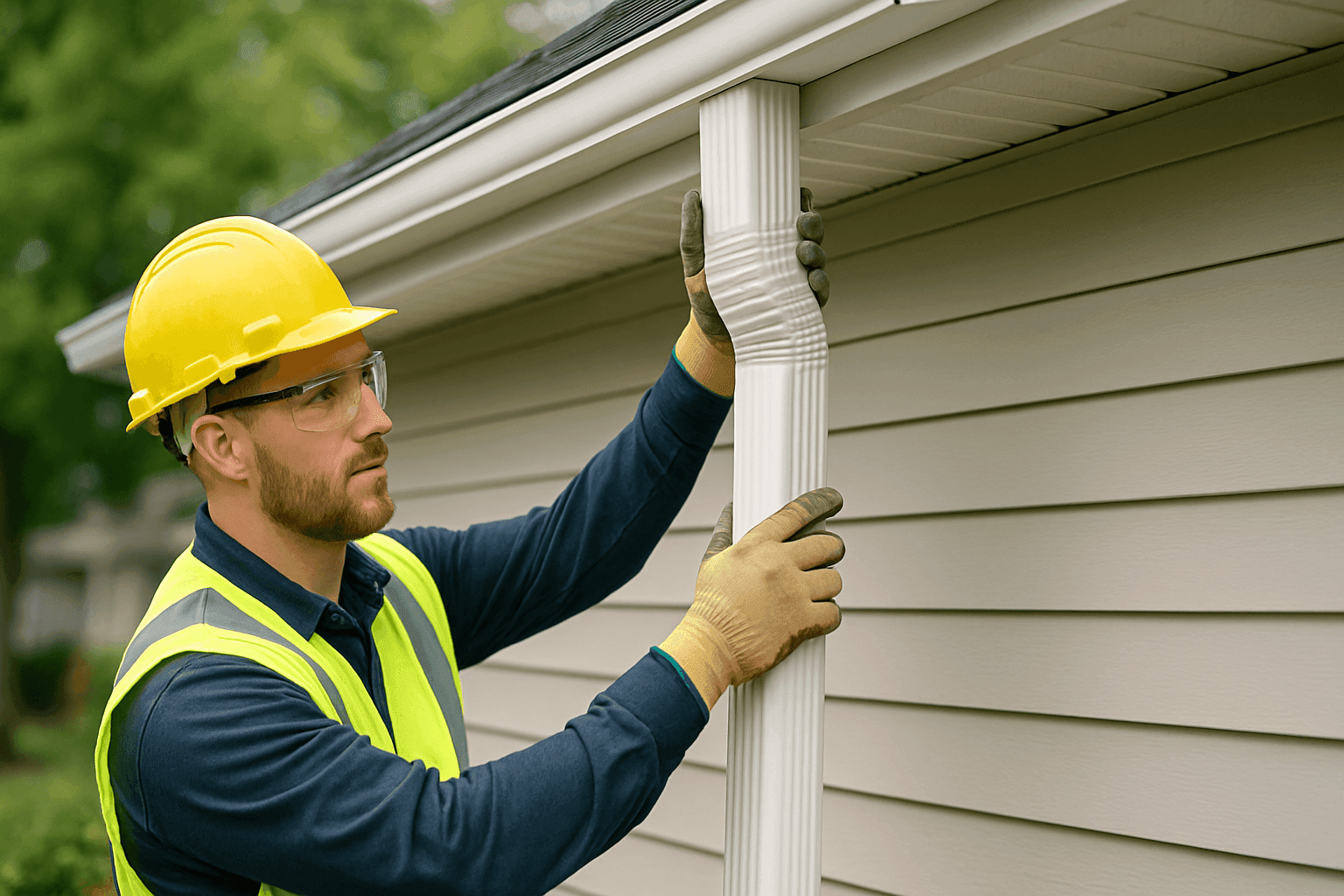
Rain comes hard. Snow melts fast. Water will always look for the easiest path—sometimes, that path is right to your foundation. At Robert Nelson Roofing, we’ve seen firsthand how a missing or damaged downspout can turn a dry basement into a swimming pool, or a solid foundation into a patchwork of expensive cracks.
If you’re searching for Gutter Repair near you or facing emergency roofing problems, understanding downspouts isn’t just smart—it’s essential. Let’s break down why these simple pipes matter, and how the right care can save you thousands in repairs.
Why Downspouts Matter 🌧️
Think of your roof as a giant umbrella. The gutters are the rim, catching rain as it slides off. Downspouts? They’re the handles, whisking water safely away from your home or business.
Why is this crucial?
- Water diversion: Downspouts direct stormwater away from siding, windows, and—most importantly—your foundation.
- Preventing erosion: Without proper drainage, soil around your structure washes away. This leads to uneven ground and potential settling.
- Basement leaks: Water pooling around your foundation can seep through cracks, causing mold, musty smells, and structural damage.
According to the International Association of Certified Home Inspectors (InterNACHI), proper downspout installation is one of the best defenses against basement flooding and costly repairs. In regions prone to heavy rain or sudden snow melts, like much of the Midwest and Northeast, this isn’t just good advice—it’s vital.
Signs You Need Downspout Repair
Not sure if your downspouts are doing their job? Watch for these warning signs:
- Water stains or streaks down exterior walls
- Pools of water or muddy soil near the foundation after storms
- Sagging, detached, or crushed downspouts
- Gutters overflowing or water spilling from seams
- Visible rust, corrosion, or holes in the pipes
- Basement dampness, musty odors, or visible mold growth
Small problems grow fast. Just one missing elbow can let hundreds of gallons of water collect at your foundation during a single storm. If you spot these issues, quick action can prevent a minor nuisance from becoming a major emergency.
Installation Best Practices
Downspout installation isn’t just about slapping a pipe onto your gutter. It’s about smart planning and code-compliant technique.
Correct Sizing
- Most residential systems use 2x3" or 3x4" downspouts. Larger roofs or commercial buildings may need oversized pipes.
- Always match the gutter’s capacity to the downspout size for maximum flow.
Proper Placement
- Downspouts should be spaced no more than 40 feet apart along the gutter system.
- Each downspout must discharge water at least 4–6 feet away from the foundation using splash blocks, extensions, or underground drain lines.
Secure Attachments
- Use corrosion-resistant brackets and screws.
- Check local building codes—most require at least 1/2" clearance from siding to allow for airflow and inspection.
Slope and Flow
- Downspouts should run straight and true, without sharp bends that slow water or trap debris.
- Avoid running downspouts across walkways or driveways, unless protected by piping or trenching.
For flat roofs or complex commercial properties, custom solutions—like scuppers, conductor heads, or internal drains—may be needed. Always follow manufacturer guidelines and local code requirements (see the International Building Code or your local authority for details).
Downspout Maintenance
A downspout is only as good as its cleanliness. Clogs can turn even the best system useless.
Seasonal Cleaning Tips:
- Clean gutters and downspouts at least twice a year—once in spring, once in fall.
- After major storms or snow melts, check for blockages or disconnected sections.
- Flush downspouts with a hose to ensure free flow. If water backs up, use a plumber’s snake or call a professional.
Year-Round Habits:
- Trim back trees and shrubs to keep leaves and twigs out of gutters.
- Inspect for rust, dents, or animal nests that can cause blockages.
- Replace worn or cracked sealants at joints.
Routine attention protects your investment and keeps you ahead of emergencies.
Protecting Your Foundation 🏠
Water is patient and relentless. Just one season of improper drainage can cause:
- Foundation cracks
- Basement leaks and mold
- Sinking or shifting slabs
- Rotten sill plates and framing
The National Association of Home Builders (NAHB) recommends extending all downspout discharge at least 4–6 feet from the foundation, and never letting water pool near the structure.
In areas with freezing winters, improper downspout discharge can also create dangerous ice dams or slippery walkways. Planning for all seasons is key.
Quick Safety Checklist
Before you tackle any downspout work:
- Use a sturdy ladder on level ground—never overreach.
- Wear gloves and safety goggles.
- Watch for power lines or sharp metal edges.
- If working above one story, consider professional help for safety.
DIY vs. Call a Pro
Some maintenance is simple: clear clogs, reattach a loose elbow, or add a splash block. But if you see these, call a professional:
- Detached or crushed downspouts
- Persistent leaks at joints or seams
- Evidence of water damage inside the home
- Downspout rerouting or underground drainage installation
A professional has the tools, know-how, and experience to spot hidden problems and handle code compliance.
What Pros Do On Arrival
When Robert Nelson Roofing arrives, here’s what to expect:
- Full inspection—We check gutters, downspouts, and the foundation perimeter.
- Debris removal—All blockages or nests are cleared.
- Secure fittings—Loose brackets, elbows, and extensions are tightened or replaced.
- Flow test—We run water through the system to check for leaks or slow spots.
- Custom solutions—If your site needs extensions, underground drainage, or special fittings, we’ll recommend what works best.
- Compliance check—We ensure all repairs meet local building codes and industry safety standards.
Prevention & Maintenance
The best fix is the one you never need. Here’s how to keep your downspouts in top shape:
- Schedule gutter and downspout cleaning twice a year.
- Add leaf guards if you have overhanging trees.
- Redirect downspout discharge as landscaping changes.
- After storms, walk the perimeter and check for pooling water or soil erosion.
- Keep an eye on seasonal shifts: snow melt and spring rains demand extra attention.
Costs & Time Factors
Downspout repair or replacement is usually quick—most jobs are completed in a single visit. Costs depend on:
- Pipe material (aluminum, vinyl, steel, copper)
- Accessibility (multi-story or hard-to-reach areas)
- Whether extensions or underground drains are needed
- Amount of debris or damage found
Remember: delaying repair often means paying more later, especially if water reaches your foundation or basement.
When It’s an Emergency
If you notice major leaks, water pouring near your foundation, or flooding after heavy storms, don’t wait. Emergency roofing and gutter services are designed for these moments. Quick response can mean the difference between a simple fix and major structural repair.
Robert Nelson Roofing offers 24/7 emergency roofing and gutter repair—including weekends and holidays. We’re ready when the weather isn’t.
FAQ
How often should downspouts be cleaned?
At least twice a year—more if you have lots of trees or after severe weather.
Can I install downspout extensions myself?
Yes, simple clip-on or flexible extensions are easy to add. For underground or complex systems, call a professional.
What’s the best material for downspouts?
Aluminum is common for its light weight and rust resistance. In harsh climates, steel or copper may last longer.
What if my downspout keeps clogging?
Regular cleaning and installing gutter guards can help. Persistent clogs may require rerouting or upgrading the system.
Local & Seasonal Considerations ❄️
Heavy rainfall, snow, and ice are facts of life in many regions. In the Midwest, Northeast, and mountain areas, melting snow can overwhelm downspouts in spring. In hurricane-prone areas, intense rain can stress drainage after every storm.
If you’re in a region with freezing winters, make sure downspout discharge points won’t create icy hazards. Each climate brings its own challenges—and Robert Nelson Roofing is experienced in every kind of weather.
You don’t get a second chance to protect your foundation. Whether you need routine maintenance or emergency roofing and gutter repair, one call to Robert Nelson Roofing makes all the difference.
Call Robert Nelson Roofing now — or reach us anytime at 888-897-9811 .